Perfume Industry in the Middle East: A Sophisticated Historical and Market Analysis Unveiling Arabian Fragrance Heritage
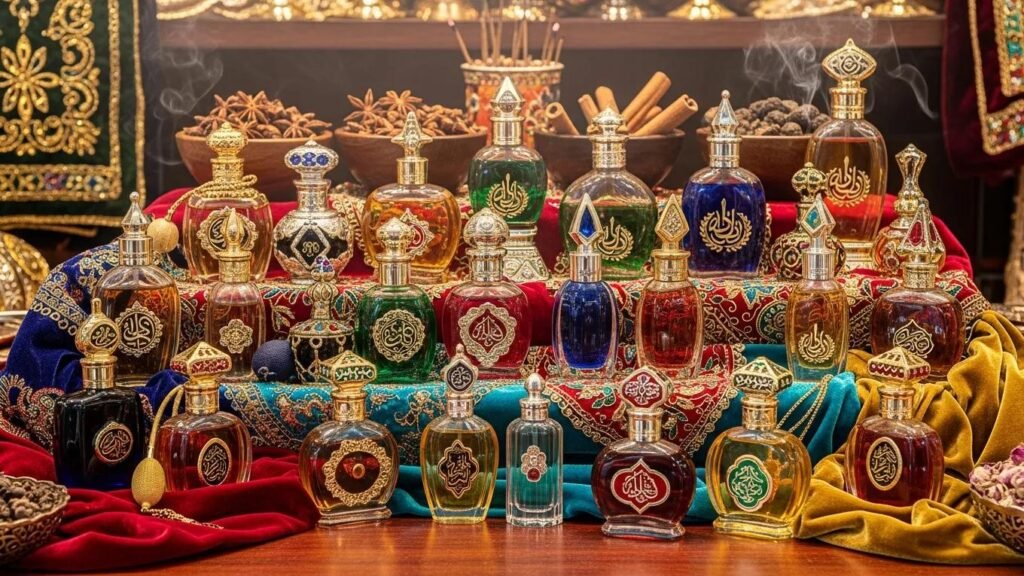
The perfume industry in the Middle East is a rich tapestry woven from centuries of tradition, culture, and artistry. This article delves into the historical context of perfumery in the region, exploring its ancient origins, the influence of the Islamic Golden Age, and the impact of colonialism. Readers will gain insights into how these historical elements have shaped contemporary market dynamics and consumer preferences. The Middle Eastern perfume market, valued at approximately $6.4 billion as of 2023, reflects a unique blend of traditional practices and modern innovations. This exploration will cover the evolution of perfume, the significance of key ingredients like oud and amber, and the role of companies like Maison Alhambra in preserving and promoting this heritage.
Historical Context
The historical context of the perfume industry in the Middle East reveals a profound legacy that dates back thousands of years. The region is often regarded as the birthplace of perfumery, where the art of scent-making began in ancient civilizations. Understanding this history is crucial to appreciating the cultural significance of fragrances today.
Ancient Origins
The origins of perfumery can be traced back to ancient Mesopotamia, where the first recorded perfumer, Tapputi, created scents using myrrh and balsam. These early practices laid the foundation for the sophisticated fragrance traditions that would follow. The use of aromatic substances in rituals and daily life highlights the deep-rooted connection between scent and spirituality in ancient cultures.
Further emphasizing the historical depth, scholarly works highlight how these ancient practices evolved and were significantly shaped by Arabian trade and Islamic advancements.
Ancient Arabian Perfumes: History, Trade & Islamic Influence
Perfumes have been known as utilizable but exclusive products since antiquity. Use of aromatic substances was first mentioned in archaic sources of the ancient world. The origin of such fragrant substances was mainly vegetable and animal. Throughout history, the use of subtle perfumes increased and some of the exotic materials became expensive and valuable commodities. They were the source of wealth for cultures and rulers. The contribution of the Arabs to the distribution of new crops, knowledge, industrial techniques and substances is a well-known phenomenon. In our article we intend to focus on the new perfumes that were distributed throughout the world thanks to the Arab conquests and the knowledge of their other uses, mainly medicinal, that was handed down along with the products themselves.
Trends in the Use of Perfumes and Incense in the Near East afterthe Muslim Conquests, A Zohar, 2013
Islamic Golden Age
During the Islamic Golden Age, significant advancements in perfumery emerged, particularly in the refinement of distillation techniques. Key figures such as Al-Kindi and Ibn Sina (Avicenna) contributed to the scientific understanding of fragrance, enhancing the quality and variety of perfumes. This period marked a cultural renaissance where fragrance became integral to social practices, symbolizing luxury and status.
Ottoman and Safavid Influence
The Ottoman and Safavid empires played a pivotal role in the evolution of perfume culture. The institutionalization of perfumery within the Ottoman court led to the flourishing of floral and herbal traditions, particularly in Persia. This era saw the integration of perfumes into daily life, with scents becoming essential to both personal grooming and hospitality.
Colonial Impact
Colonialism had a profound impact on the Middle Eastern perfume market, leading to the extraction of raw materials by European powers. This resulted in the emergence of a dual market, where traditional attārs coexisted with alcohol-based perfumes introduced by Western influences. The colonial legacy continues to shape consumer preferences and market dynamics in the region.
Contemporary Market Analysis
The contemporary perfume market in the Middle East is characterized by a blend of tradition and modernity. As consumers increasingly seek authenticity and quality, the market has adapted to reflect these changing preferences. This section analyzes the current state of the industry, including market size, cultural significance, and emerging trends.
Market Size and Consumption
As of 2023, the Middle East’s fragrance market is valued at approximately $6.4 billion, with GCC nations exhibiting the highest per-capita consumption rates globally, ranging from $85 to $145 annually. This robust market reflects a deep cultural appreciation for fragrance, where scents are integral to social identity and personal expression.
Cultural Significance
Fragrance holds a unique place in Arab culture, serving as a form of cultural expression and social ritual. Oud, in particular, is revered not only for its rich scent but also for its historical and cultural significance. The global oud market is estimated at $7-8 billion, predominantly consumed in the Middle East, underscoring its importance in both local and international markets.
Emerging Trends
The perfume industry is witnessing emerging trends towards sustainability and digital transformation. Consumers are increasingly favoring brands that prioritize eco-friendly practices and ethical sourcing of ingredients. Additionally, the rise of niche perfumery brands reflects a shift towards personalized and unique fragrance experiences.
Distribution and Retail
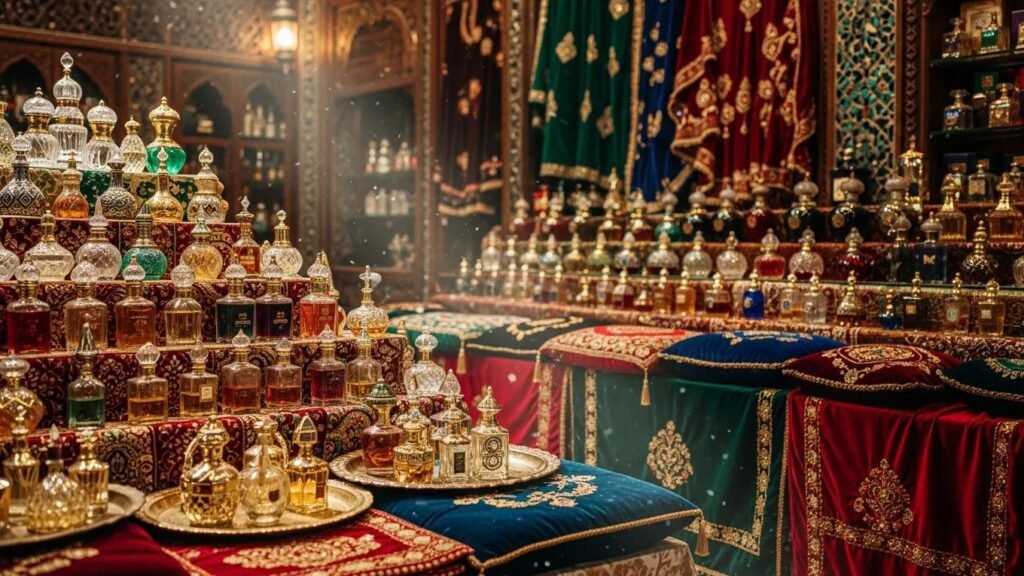
The retail landscape for perfumes in the Middle East has evolved significantly, transitioning from traditional souqs to luxury malls. Dubai has emerged as a major fragrance trading hub, attracting both local and international brands. This shift highlights the growing demand for luxury and artisanal perfumes, which cater to a discerning clientele.
Future Outlook
The future of the Middle Eastern perfume industry appears promising, with projections for continued market growth. Innovations in fragrance technology and a focus on sustainability are expected to drive the industry forward. As cultural appreciation for traditional scents resurges, the market is likely to see a blend of heritage and modernity in its offerings.
What Defines the Rich History of Perfume in the Middle East?
The rich history of perfume in the Middle East is defined by its ancient origins, cultural practices, and the evolution of fragrance techniques. From the early use of aromatic substances in rituals to the sophisticated perfumery of today, this history reflects a deep connection between scent and identity.
How Did Arabian Perfume Traditions Shape Global Fragrance Artistry?
Arabian perfume traditions have significantly influenced global fragrance artistry through their unique techniques and ingredients. The emphasis on natural materials and artisanal craftsmanship has inspired perfumers worldwide, leading to a greater appreciation for the complexity and depth of Middle Eastern scents.
Which Historical Milestones Mark the Evolution of Middle Eastern Perfumes?
Key historical milestones in the evolution of Middle Eastern perfumes include the establishment of perfumery in ancient Mesopotamia, advancements during the Islamic Golden Age, and the integration of fragrance into Ottoman court life. These milestones highlight the region’s pivotal role in the development of global perfumery.
Which Signature Ingredients Embody Middle Eastern Luxury Perfumes?
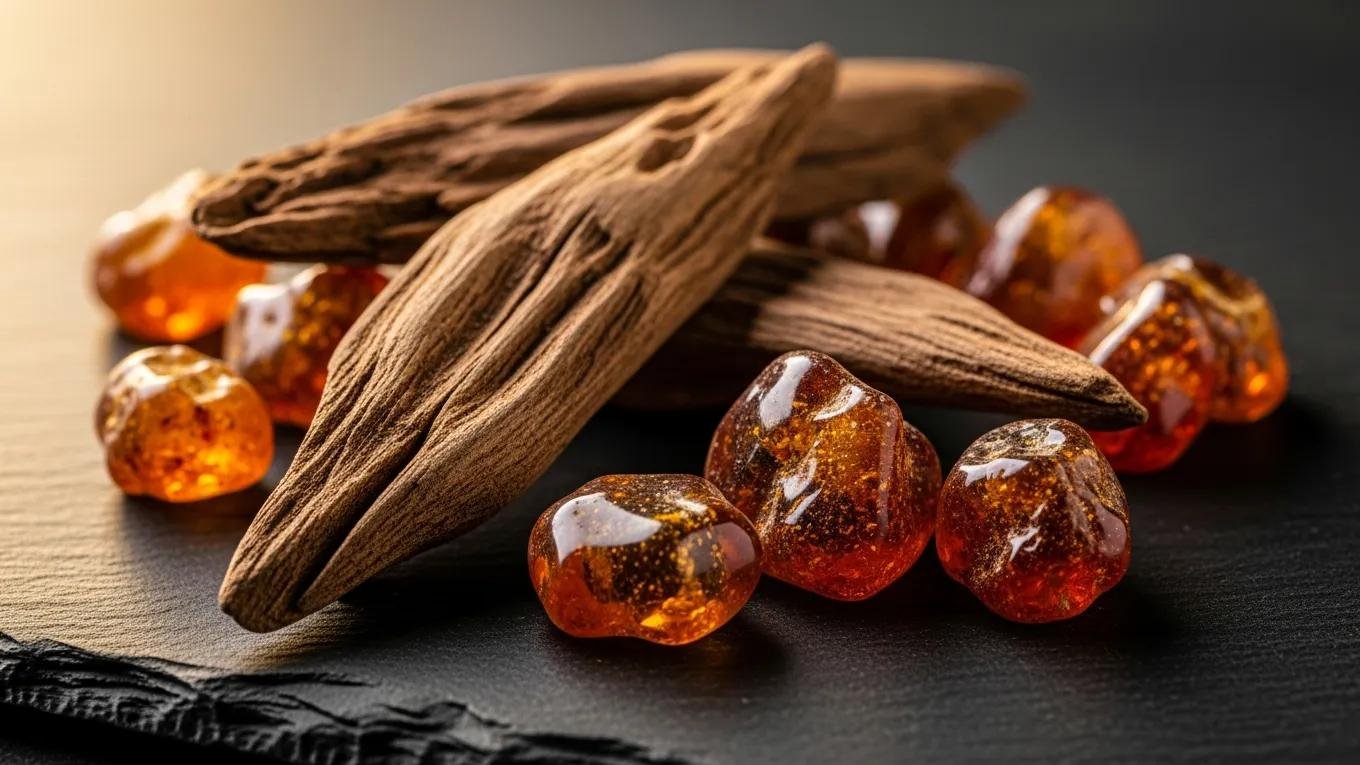
Middle Eastern luxury perfumes are characterized by signature ingredients such as oud, amber, and musk. These components not only define the scent profiles but also carry cultural significance, representing luxury and sophistication in fragrance.
What Is the Cultural and Olfactory Significance of Oud, Amber, and Musk?
Oud, amber, and musk hold profound cultural and olfactory significance in the Middle East. Oud, derived from the agarwood tree, is particularly valued for its rich, complex aroma, often used in social rituals and celebrations. Amber and musk complement oud, creating luxurious and captivating fragrances that resonate with cultural heritage.
How Are Traditional Ingredients Harvested and Crafted into Artisanal Perfumes?
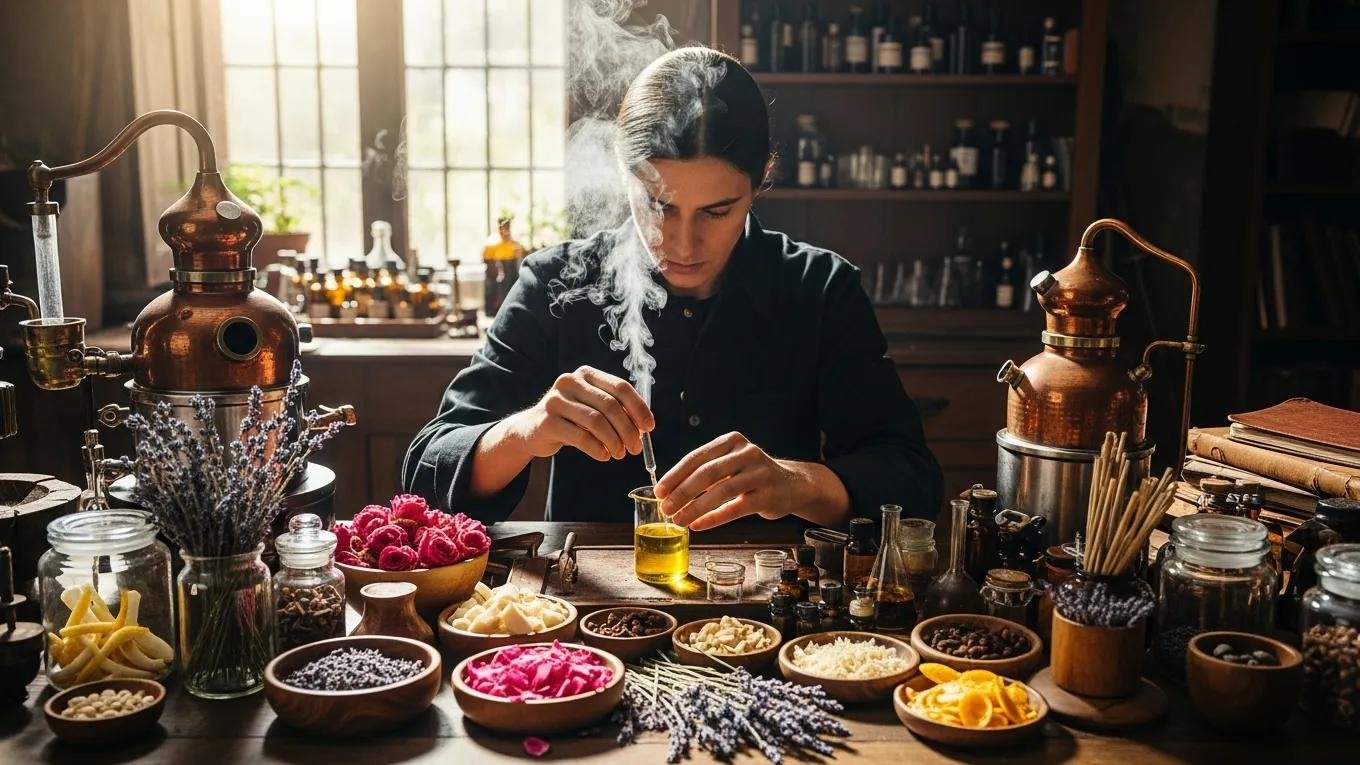
The harvesting and crafting of traditional ingredients into artisanal perfumes involve meticulous processes that respect cultural practices. Ingredients like oud are sourced sustainably, ensuring that the rich heritage of Middle Eastern perfumery is preserved for future generations.
How Do Traditional and Modern Techniques Harmonize in Middle Eastern Perfume Production?
The harmony between traditional and modern techniques in Middle Eastern perfume production is evident in the blending of artisanal craftsmanship with contemporary methods. This fusion allows for the creation of unique fragrances that honor heritage while appealing to modern sensibilities.
What Are the Time-Honored Methods Behind Arabian Attar Creation?
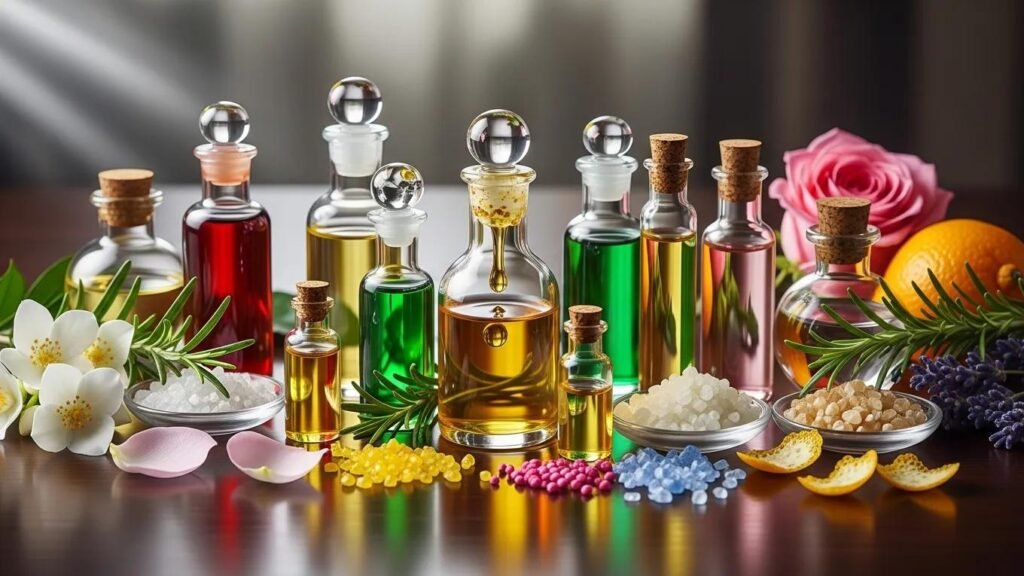
Arabian attar creation relies on time-honored methods that emphasize the use of natural ingredients and traditional distillation techniques. These methods ensure the preservation of the authentic scent profiles that define Middle Eastern perfumes.
How Does Contemporary Craftsmanship Elevate Luxury Perfume Experiences?
Contemporary craftsmanship in the perfume industry elevates luxury experiences by focusing on quality, artistry, and personalization. Brands like Maison Alhambra exemplify this approach, offering artisanal perfumes that blend traditional ingredients with modern luxury.
What Are the Current Market Trends and Growth Dynamics in the Middle Eastern Fragrance Industry?
Current market trends in the Middle Eastern fragrance industry indicate a shift towards sustainability, personalization, and niche perfumery. As consumers become more discerning, brands are adapting to meet the demand for high-quality, ethically sourced fragrances.
How Is the Luxury Perfume Market Expanding Amidst Cultural Resurgence?
The luxury perfume market is expanding amidst a cultural resurgence that celebrates traditional practices and ingredients. This growth is driven by a renewed interest in heritage and authenticity, with consumers seeking fragrances that reflect their cultural identity.
What Role Does Oud Play in Driving Global Perfume Industry Growth?
Oud plays a significant role in driving global perfume industry growth, with its unique scent profile appealing to a wide range of consumers. The increasing popularity of oud-based fragrances has led to a surge in demand, influencing market trends and product offerings.
How Does Maison Alhambra Exemplify Arabian Perfume Heritage Through Its Artisanal Collections?
Maison Alhambra exemplifies Arabian perfume heritage through its artisanal collections that celebrate traditional ingredients and craftsmanship. The brand’s commitment to quality and authenticity resonates with consumers seeking luxurious and culturally rich fragrances.
What Unique Qualities Distinguish Maison Alhambra’s Oud and Amber Perfumes?
Maison Alhambra’s oud and amber perfumes are distinguished by their rich, complex compositions that reflect the essence of Middle Eastern fragrance traditions. The use of high-quality ingredients and artisanal techniques ensures a luxurious experience for consumers.
How Does Maison Alhambra Blend Tradition with Modern Luxury in Its Offerings?
Maison Alhambra successfully blends tradition with modern luxury by incorporating time-honored techniques into contemporary fragrance design. This approach appeals to a diverse audience, bridging the gap between heritage and modern consumer preferences.
Frequently Asked Questions
What are the key factors driving the growth of the Middle Eastern perfume market?
The growth of the Middle Eastern perfume market is driven by several key factors, including a strong cultural appreciation for fragrances, increasing disposable incomes, and a rising demand for luxury and artisanal products. Additionally, the influence of social media and e-commerce has expanded access to niche brands, allowing consumers to explore a wider variety of scents. The market’s focus on sustainability and ethical sourcing is also becoming increasingly important, as consumers seek brands that align with their values.
How do cultural rituals influence perfume usage in the Middle East?
Cultural rituals play a significant role in perfume usage in the Middle East, where fragrances are often integral to social interactions and celebrations. Scents are used during important life events such as weddings, religious ceremonies, and festivals, symbolizing hospitality and personal identity. The act of gifting perfumes is also a common practice, reflecting generosity and social status. This deep-rooted connection between fragrance and cultural rituals enhances the significance of perfumes in everyday life.
What challenges does the Middle Eastern perfume industry face today?
The Middle Eastern perfume industry faces several challenges, including competition from international brands and the need to adapt to changing consumer preferences. The rise of synthetic fragrances poses a threat to traditional perfumery, as consumers may opt for cheaper alternatives. Additionally, the industry must navigate issues related to sustainability and ethical sourcing, as consumers increasingly demand transparency in production practices. Balancing heritage with modern trends is crucial for brands to maintain relevance in a competitive market.
How is technology impacting the perfume industry in the Middle East?
Technology is significantly impacting the perfume industry in the Middle East by enhancing production processes and marketing strategies. Innovations in fragrance formulation and distillation techniques allow for the creation of more complex and diverse scents. Digital platforms enable brands to reach a broader audience, facilitating online sales and personalized shopping experiences. Furthermore, advancements in data analytics help companies understand consumer preferences, allowing for targeted marketing and product development that aligns with market trends.
What role does education play in the future of perfumery in the Middle East?
Education plays a vital role in shaping the future of perfumery in the Middle East by fostering a new generation of skilled perfumers and industry professionals. Training programs and workshops focused on traditional techniques and modern practices are essential for preserving the region’s rich fragrance heritage. Additionally, educational initiatives can promote awareness of sustainability and ethical sourcing, encouraging future perfumers to prioritize these values in their work. This investment in education will help ensure the continued growth and innovation of the industry.
How do consumer preferences for fragrances differ across the Middle East?
Consumer preferences for fragrances in the Middle East can vary significantly across different countries and cultures. For instance, while oud is highly favored in the Gulf Cooperation Council (GCC) countries, other regions may prefer floral or citrus-based scents. Cultural influences, climate, and social norms all play a role in shaping these preferences. Additionally, younger consumers are increasingly drawn to niche and artisanal brands that offer unique and personalized fragrance experiences, reflecting a shift towards individuality in scent choices.