Perfume Glossary: Essential Terms Every Discerning Buyer Should Know
Navigating the world of perfumes can be an enchanting yet overwhelming experience, especially for those new to fragrance terminology. Understanding key terms and concepts is essential for making informed purchasing decisions and enhancing your overall fragrance experience. This article serves as a comprehensive guide to essential perfume terminology, helping you decode the language of scents and appreciate the artistry behind them. From fragrance notes to concentration levels, we will explore the critical elements that define a perfume and how they contribute to its unique character. Additionally, we will highlight how Maison Alhambra, a brand known for its luxurious yet affordable fragrances, fits into this landscape, offering a range of scents that cater to diverse preferences.
What Are Fragrance Notes and How Do They Define a Perfume?
Fragrance notes are the individual components that create the overall scent of a perfume, categorized into three main types: top notes, middle notes, and base notes. Each type plays a distinct role in the fragrance experience, contributing to the perfume’s evolution over time. Understanding these notes is crucial for appreciating how a scent develops from the moment it is applied to the lasting impression it leaves. The interplay of these notes creates a harmonious scent profile that can evoke emotions and memories, making fragrance a powerful form of personal expression.
How Do Top, Middle, and Base Notes Create a Scent Pyramid?
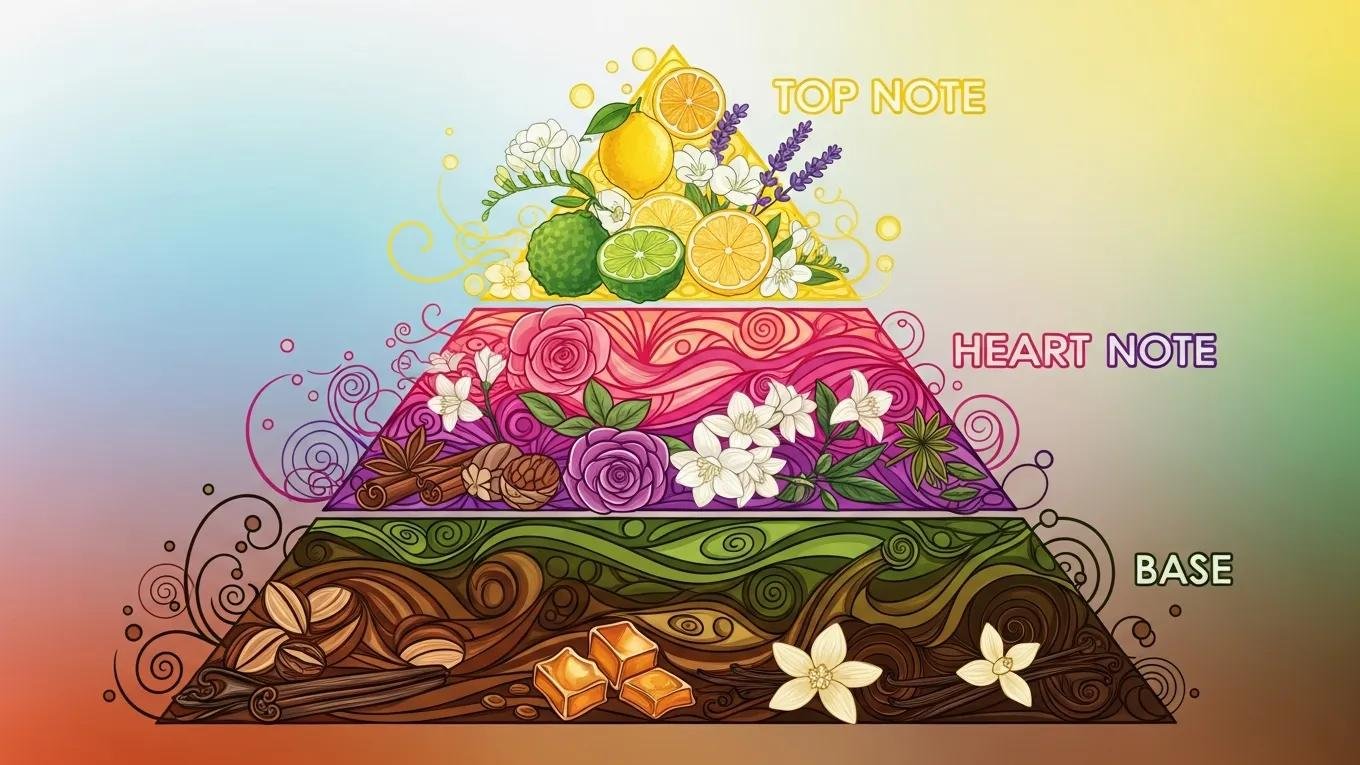
The structure of fragrance notes is often visualized as a pyramid, with top notes at the peak, followed by middle notes, and base notes forming the foundation.
- Top Notes: These are the initial scents perceived upon application, typically light and volatile. Common examples include citrus and herbal notes, which provide an immediate impression.
- Middle Notes: Also known as heart notes, these emerge once the top notes fade, forming the core of the fragrance. Floral and fruity scents often dominate this layer, adding depth and character.
- Base Notes: These are the lasting scents that develop after the perfume has settled. Rich and deep notes like vanilla, musk, and woods provide longevity and richness to the fragrance.
This layered approach ensures a complex and evolving scent experience, allowing the wearer to enjoy different facets of the fragrance over time.
How to Identify and Understand Different Types of Perfume Scents
Identifying and categorizing perfume scents can enhance your fragrance selection process. Perfumes are often grouped into scent families, each with distinct characteristics that appeal to different preferences. Understanding these families can help you choose a fragrance that resonates with your personal style.
What Are the Characteristics of Popular Scent Families?
Popular scent families include:
- Floral: Characterized by the scent of flowers, this family is often romantic and feminine, featuring notes like rose, jasmine, and lily.
- Fruity: These fragrances are vibrant and fresh, incorporating notes such as apple, peach, and berries, appealing to those who enjoy sweet and playful scents.
- Woody: Rich and earthy, woody scents often include notes like sandalwood, cedar, and vetiver, providing a warm and grounding experience.
- Oriental: Exotic and sensual, this family features spices, resins, and sweet notes, creating a luxurious and captivating aroma.
Understanding these characteristics allows you to navigate the fragrance landscape more effectively, ensuring you select scents that align with your preferences.
How Do Maison Alhambra’s Signature Scents Reflect These Families?
Maison Alhambra offers a diverse range of fragrances that embody various scent families, appealing to a wide audience. For instance, their floral offerings often feature delicate notes of jasmine and rose, while their woody scents incorporate rich cedar and sandalwood. This versatility allows fragrance enthusiasts to explore different scent profiles, making it easier to find a signature scent that resonates with their personal style.
What Are Perfume Concentration Levels and How Do They Affect Longevity?
Perfume concentration levels refer to the percentage of fragrance oils in a perfume, which significantly impacts its longevity and intensity. Understanding these levels is essential for selecting a fragrance that meets your expectations for wear time and scent strength.
How Do Eau de Parfum, Eau de Toilette, and Other Concentrations Differ?
The main types of perfume concentrations include:
- Eau de Parfum (EDP): Typically contains 15-20% fragrance oil, offering a strong scent that lasts longer, usually around 4-8 hours.
- Eau de Toilette (EDT): Contains 5-15% fragrance oil, providing a lighter scent that lasts about 3-5 hours, making it ideal for everyday wear.
- Eau de Cologne (EDC): With 2-5% fragrance oil, EDCs are very light and refreshing, lasting around 2-4 hours, perfect for a quick spritz.
Understanding these differences helps you choose a fragrance that aligns with your desired intensity and longevity.
How to Read Perfume Labels: Decoding Ingredients and Terminology
Reading perfume labels can be daunting, but understanding the terminology and ingredients can enhance your fragrance selection process. Familiarizing yourself with common terms and components will empower you to make informed choices.
What Common Fragrance Ingredients Should Buyers Recognize?
Some common ingredients to look for include:
- Essential Oils: Natural extracts from plants that provide the primary scent.
- Synthetic Fragrance: Man-made compounds that mimic natural scents, often used for consistency and cost-effectiveness.
- Fixatives: Ingredients that help stabilize the fragrance and prolong its scent on the skin.
Recognizing these components can help you understand the quality and character of a fragrance, guiding your purchasing decisions.
How Does Label Information Guide Your Perfume Selection?
Label information is crucial for selecting the right perfume. Pay attention to the ingredient list, as high-quality fragrances often feature natural ingredients and essential oils. Additionally, understanding the concentration level indicated on the label can help you gauge the expected longevity and intensity of the scent. By decoding this information, you can make more informed choices that align with your preferences.
Why Is Understanding Perfume Longevity and Performance Crucial for Buyers?
Perfume longevity refers to how long a fragrance lasts on the skin, while performance encompasses its projection and sillage. Understanding these factors is essential for ensuring that your chosen scent meets your expectations throughout the day.
What Factors Influence a Perfume’s Lasting Power?
Several factors can affect a perfume’s longevity, including:
- Concentration Level: Higher concentrations typically last longer due to the increased amount of fragrance oils.
- Skin Type: Oily skin tends to hold scents better than dry skin, affecting how long a fragrance lasts.
- Environmental Conditions: Heat and humidity can enhance a fragrance’s projection but may also cause it to dissipate more quickly.
By considering these factors, you can select fragrances that will perform well in your specific environment and on your skin type.
How Do Maison Alhambra Perfumes Exemplify Superior Longevity?
Maison Alhambra is known for its commitment to quality, with many of its fragrances designed to offer impressive longevity. For example, their signature scents often feature a balanced blend of top, middle, and base notes that work harmoniously to ensure a lasting impression. Customer feedback frequently highlights the enduring nature of these fragrances, making them a popular choice for those seeking long-lasting scents.
How Can You Explore Maison Alhambra’s Affordable Luxury Perfume Range?
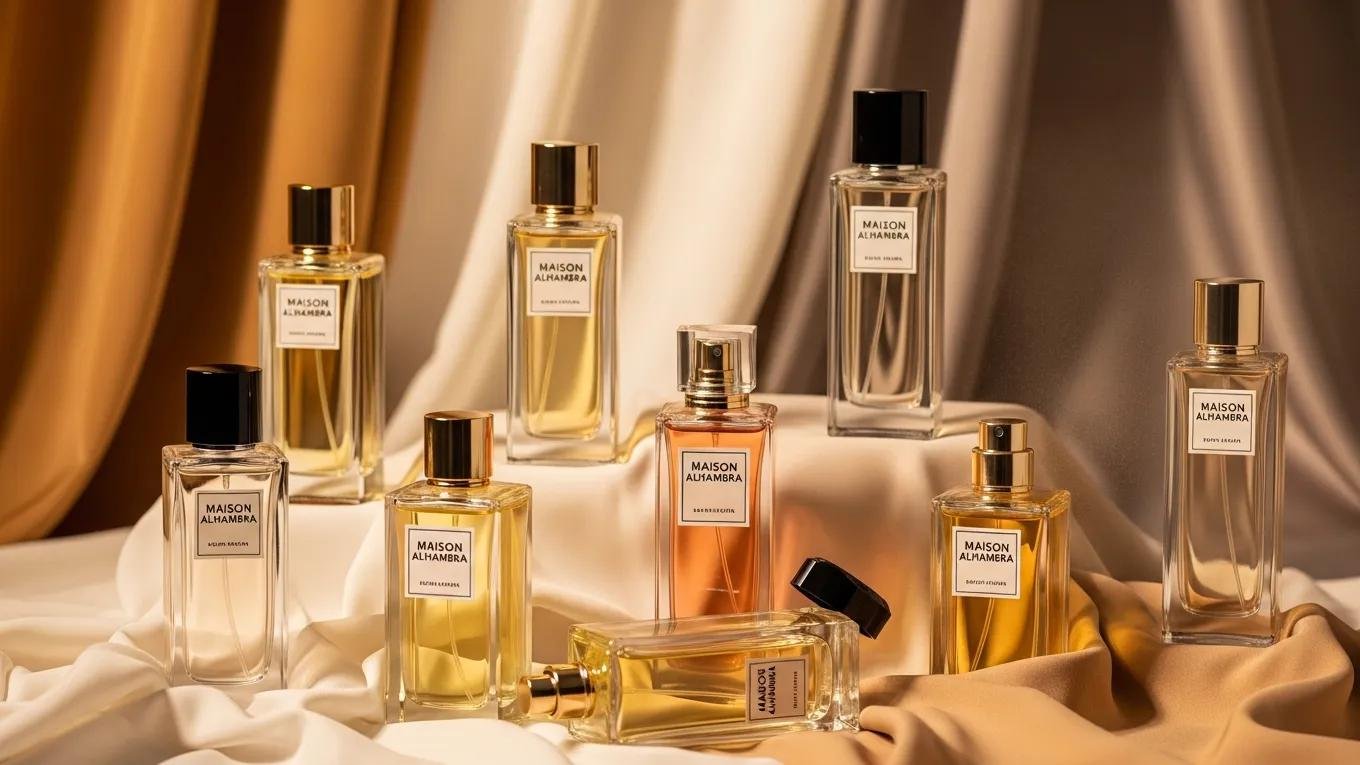
Maison Alhambra offers a diverse selection of perfumes that embody the essence of affordable luxury. Their range includes evocative scents designed to appeal to fragrance enthusiasts and buyers seeking sophisticated options without breaking the bank.
Some notable offerings include:
- Libbra: Originally $35.00, now $25.00
- Hercules: $29.00
- Sugar Me Candy Floss: $25.00
- Maison Alhambra Infini Rose: $25.00
- La Charmante Eclatant: Originally $25.00, now $21.00
- Maison Alhambra So Candid: $34.00
- Maison Alhambra Sceptre Malachite: Originally $30.00, now $29.00
- Mindset: $25.00
- Kingsman: $25.00
- Philos Messenger: Originally $30.00, now $25.00
- Midnight Oud: $33.00
- Dark Door Intense: $30.00
This range allows consumers to explore various scent families and concentrations, ensuring there is something for everyone. By choosing Maison Alhambra, buyers can indulge in luxurious fragrances that offer both quality and affordability.
Frequently Asked Questions
What is the difference between niche and designer perfumes?
Niche perfumes are crafted by smaller, independent brands that focus on unique, high-quality ingredients and artistic expression. They often have limited distribution and are designed for a specific audience. In contrast, designer perfumes are produced by well-known fashion houses and are widely available. They typically aim for mass appeal and may use more synthetic ingredients to ensure consistency and lower costs. Understanding this distinction can help you choose a fragrance that aligns with your personal style and values.
How can I make my perfume last longer?
To enhance the longevity of your perfume, apply it to pulse points such as wrists, neck, and behind the ears, where body heat can help diffuse the scent. Additionally, moisturizing your skin before application can create a better base for the fragrance to adhere to. Opting for a matching scented lotion or oil can also amplify the scent. Lastly, avoid rubbing your wrists together after application, as this can break down the fragrance molecules and diminish its longevity.
What are the benefits of layering fragrances?
Layering fragrances allows you to create a unique scent profile that reflects your personality. By combining different scents, you can enhance certain notes and create a more complex aroma. This technique can also help you customize the intensity and longevity of your fragrance. For example, pairing a floral perfume with a warm, woody scent can balance sweetness with depth. Experimenting with layering can lead to discovering new favorites and personalizing your fragrance experience.
How do seasonal changes affect fragrance choices?
Seasonal changes can significantly influence fragrance preferences due to variations in temperature and humidity. In warmer months, lighter, fresher scents like citrus and floral notes are often favored, as they feel more refreshing. Conversely, during colder months, richer, warmer fragrances with notes like vanilla, amber, and spices are preferred for their comforting qualities. Understanding these seasonal trends can help you select fragrances that complement the environment and enhance your overall experience.
What should I consider when buying a fragrance as a gift?
When purchasing a fragrance as a gift, consider the recipient’s personal style and preferences. Pay attention to their favorite scent families, such as floral, fruity, or woody, to ensure the fragrance resonates with them. Additionally, consider the occasion and the season, as certain scents may be more suitable for specific events or times of year. If unsure, opting for a versatile fragrance or a gift set can provide a thoughtful and appreciated choice.
How can I test a perfume before buying it?
To effectively test a perfume, start by applying a small amount to your wrist or the back of your hand. Allow it to settle for a few minutes to experience the evolution of the scent, as top notes will fade and middle and base notes will emerge. Avoid testing multiple fragrances at once, as this can overwhelm your senses. If possible, take a sample home to wear throughout the day, allowing you to assess how it interacts with your body chemistry and how long it lasts.