
Perfume Ingredients: Oils, Absolutes & Synthetics – An Expert Guide to Luxurious Fragrance Composition
The world of perfumery is a complex tapestry woven from various ingredients, each contributing to the final scent profile. This guide delves into the essential components of perfumes, focusing on natural oils, absolutes, and synthetic ingredients. Readers will learn about the extraction methods, characteristics, and roles these ingredients play in crafting luxurious fragrances. Understanding these elements is crucial for fragrance enthusiasts and consumers alike, as it helps demystify the art of scent creation. This article will explore the significance of natural perfume oils, the allure of absolutes, the innovation of synthetic ingredients, and the ethical considerations surrounding sourcing and sustainability.
What Are Natural Perfume Oils and Their Role in Fragrance Crafting?
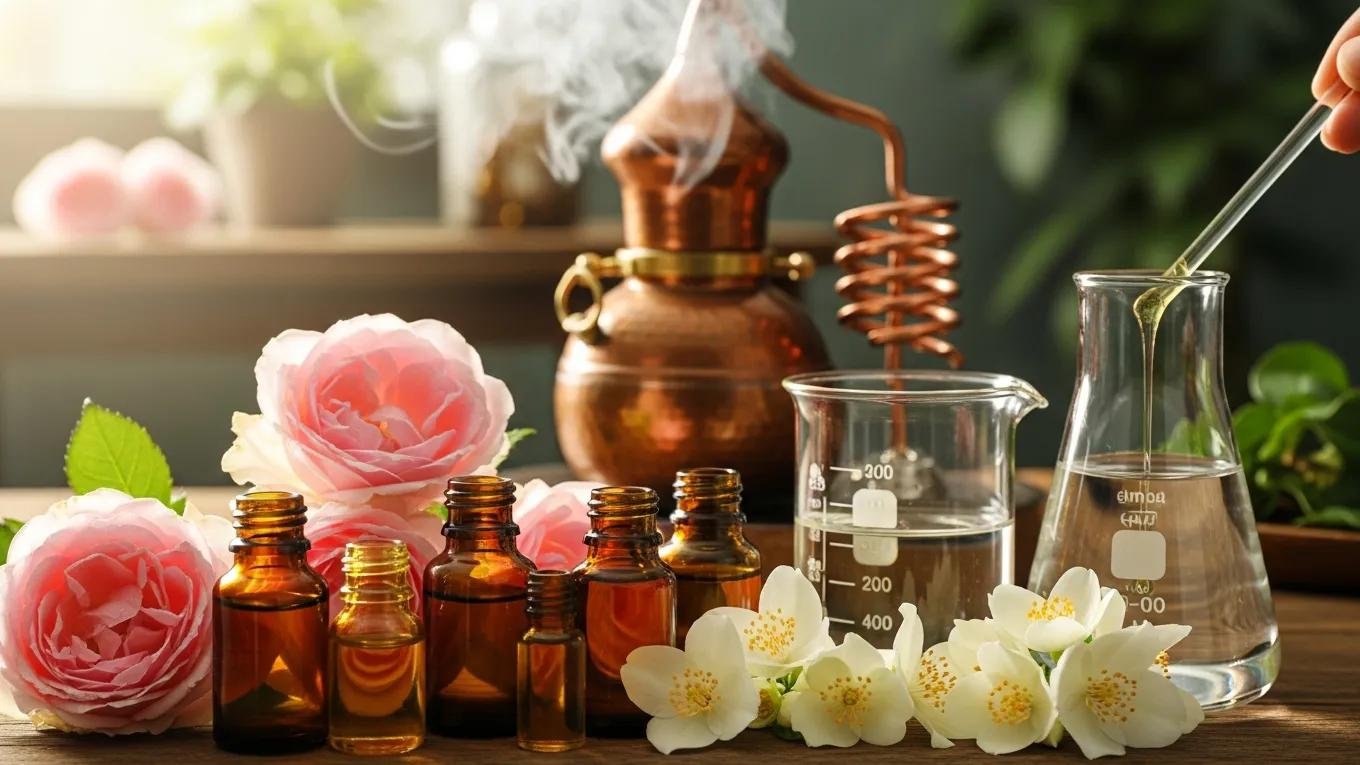
Natural perfume oils are concentrated extracts derived from plants, flowers, and other botanical sources, playing a pivotal role in fragrance crafting. These oils capture the essence of their source, providing depth and complexity to perfumes. The use of natural oils not only enhances the olfactory experience but also connects the wearer to nature, evoking emotions and memories. Their unique aromatic profiles contribute to the overall character of a fragrance, making them indispensable in the art of perfumery.
How Are Essential Oils Extracted and Used in Perfumery?
Essential oils are extracted through various methods, including steam distillation, cold pressing, and solvent extraction. Each method impacts the oil’s quality and scent profile. For instance, steam distillation is commonly used for flowers and leaves, while cold pressing is ideal for citrus fruits. The extraction process significantly influences the fragrance’s intensity and longevity, making it a critical factor in perfumery. Essential oils are then blended with other ingredients to create harmonious scents that resonate with consumers.
Which Botanical Sources Define the Finest Natural Oils?
Several botanical sources are renowned for producing high-quality natural oils. Notable examples include:
- Roses: Known for their rich, floral scent, rose oils are often used in luxury perfumes.
- Jasmine: This oil adds a sweet, exotic note, enhancing the complexity of fragrances.
- Sandalwood: Valued for its creamy, woody aroma, sandalwood oil provides a grounding base note.
These sources not only define the fragrance’s character but also influence its market value and consumer appeal.
Understanding Perfume Absolutes: Extraction, Characteristics, and Sensory Appeal
Perfume absolutes are highly concentrated aromatic extracts obtained through solvent extraction, capturing the full spectrum of a plant’s fragrance. Unlike essential oils, absolutes retain more of the plant’s original scent profile, making them particularly valuable in high-end perfumery. Their rich, complex aromas contribute to the depth and sophistication of fragrances, appealing to discerning consumers.
What Distinguishes Absolutes from Essential Oils in Luxury Perfumes?
The primary distinction between absolutes and essential oils lies in their extraction methods and resulting scent profiles. Absolutes are typically richer and more complex, as they capture a broader range of aromatic compounds. This makes them ideal for luxury perfumes, where depth and nuance are essential. In contrast, essential oils may lack some of the subtleties found in absolutes, making them less suitable for high-end formulations.
How Does the Solvent Extraction Process Enhance Fragrance Depth?
The solvent extraction process involves using a solvent to dissolve the aromatic compounds from the plant material, which are then separated from the solvent. This method allows for the extraction of delicate fragrances that might be lost in steam distillation. The result is a more potent and nuanced scent, enhancing the overall depth of the fragrance. Many luxury perfumes utilize absolutes to achieve a sophisticated olfactory experience that captivates the senses.
Synthetic Fragrance Ingredients: Innovation, Sustainability, and Craftsmanship

Synthetic fragrance ingredients have revolutionized the perfume industry, offering innovative solutions for scent creation. These ingredients are designed to mimic natural aromas or create entirely new scents that cannot be found in nature. Their versatility allows perfumers to craft unique fragrances that appeal to a wide range of consumers.
What Are Synthetic Aroma Chemicals and Their Role in Modern Perfumery?
Synthetic aroma chemicals are man-made compounds that replicate the scent of natural ingredients or create new olfactory experiences. They play a crucial role in modern perfumery by providing consistency, stability, and cost-effectiveness. Additionally, synthetic ingredients can enhance the longevity of fragrances, ensuring that the scent lasts throughout the day. This innovation allows perfumers to explore new creative avenues while maintaining high-quality standards.
How Do Synthetic Notes Complement Natural Ingredients in Maison Alhambra Scents?
Maison Alhambra expertly blends synthetic notes with natural ingredients to create harmonious and versatile scents. This approach allows for a balanced fragrance profile, where the freshness of natural oils is enhanced by the stability of synthetic compounds. The result is a collection of perfumes that offer both complexity and wearability, appealing to fragrance enthusiasts seeking quality without the premium price tag.
Natural vs Synthetic Scents: Comparing Benefits, Quality, and Consumer Preferences
The debate between natural and synthetic scents continues to evolve, with consumers increasingly interested in the benefits and quality of each. Natural scents are often associated with authenticity and a connection to nature, while synthetic scents offer innovation and consistency. Understanding these differences is essential for consumers making informed choices about their fragrance preferences.
What Are the Key Differences Between Natural and Synthetic Perfume Notes?
Natural perfume notes are derived from botanical sources, providing a unique and often complex scent profile. In contrast, synthetic notes are engineered to replicate or enhance these aromas, offering consistency and longevity. While natural scents may evoke a sense of nostalgia and authenticity, synthetic scents can provide a broader range of olfactory experiences. This distinction influences consumer preferences and purchasing decisions.
How Does Ingredient Transparency Influence Luxury Fragrance Choices?
Ingredient transparency has become increasingly important to consumers, particularly in the luxury fragrance market. Many buyers seek brands that disclose their ingredient sourcing and formulation practices. This transparency fosters trust and allows consumers to make informed choices about the products they purchase. Brands like Maison Alhambra prioritize ingredient transparency, appealing to consumers who value ethical and sustainable practices in their fragrance selections.
Sourcing and Sustainability: Ethical Practices Behind Premium Perfume Ingredients
Sourcing and sustainability are critical considerations in the perfume industry, as consumers become more aware of the environmental impact of their purchases. Ethical sourcing practices ensure that ingredients are obtained responsibly, supporting both the environment and local communities.
How Does Maison Alhambra Ensure Sustainable Ingredient Procurement?
Maison Alhambra is committed to sustainable ingredient procurement, prioritizing ethical sourcing practices that minimize environmental impact. The brand collaborates with suppliers who adhere to sustainable farming methods, ensuring that the ingredients used in their perfumes are both high-quality and responsibly sourced. This commitment not only enhances the brand’s reputation but also aligns with the values of environmentally conscious consumers.
What Industry Standards Govern Perfume Ingredient Safety and Quality?
The perfume industry is governed by various safety and quality standards to ensure that products are safe for consumers. Regulatory bodies establish guidelines for ingredient safety, requiring brands to comply with strict testing and labeling requirements. These standards help maintain consumer trust and ensure that luxury fragrances meet high-quality benchmarks.
How Does Maison Alhambra Craft Its Signature Perfumes Using Oils, Absolutes, and Synthetics?
Maison Alhambra’s crafting process involves a meticulous blend of oils, absolutes, and synthetic ingredients to create signature perfumes that resonate with consumers. This approach allows the brand to produce fragrances that are both luxurious and accessible, appealing to a wide audience.
What Is the Art of Blending Natural and Synthetic Ingredients for Versatile Scents?
The art of blending natural and synthetic ingredients requires a deep understanding of fragrance composition. Perfumers at Maison Alhambra skillfully combine these elements to achieve a balanced scent profile that showcases the best of both worlds. This blending technique not only enhances the fragrance’s complexity but also ensures that it remains versatile and appealing to a diverse range of consumers.
Which Maison Alhambra Perfumes Exemplify Expert Ingredient Harmony?
Several Maison Alhambra perfumes exemplify the brand’s commitment to ingredient harmony. For instance, their signature scent combines rich floral notes from natural oils with the stability of synthetic compounds, creating a fragrance that is both captivating and long-lasting. Consumer feedback highlights the brand’s ability to craft scents that resonate emotionally, making them a favorite among fragrance enthusiasts.
Frequently Asked Questions
What are the environmental impacts of synthetic versus natural perfume ingredients?
The environmental impacts of synthetic and natural perfume ingredients can vary significantly. Natural ingredients often require extensive agricultural practices, which can lead to deforestation, loss of biodiversity, and pesticide use. Conversely, synthetic ingredients can reduce the pressure on natural resources by providing alternatives that do not rely on plant extraction. However, the production of synthetic compounds can also involve harmful chemicals and processes. Ultimately, the sustainability of either option depends on sourcing practices and the overall lifecycle of the ingredients used.
How can consumers identify high-quality perfumes?
Consumers can identify high-quality perfumes by examining the ingredient list, looking for transparency in sourcing, and understanding the extraction methods used. High-quality perfumes often feature a blend of natural oils, absolutes, and well-crafted synthetic notes. Additionally, reputable brands will provide information about their ingredient safety and sustainability practices. Sampling fragrances in-store or reading reviews can also help consumers gauge the quality and longevity of a perfume before making a purchase.
What role do fragrance families play in perfume selection?
Fragrance families categorize perfumes based on their dominant scent characteristics, such as floral, oriental, woody, or fresh. Understanding these families can significantly aid consumers in selecting a fragrance that aligns with their personal preferences and occasions. For instance, floral scents are often associated with romance, while woody fragrances may evoke warmth and sophistication. Familiarity with fragrance families allows consumers to navigate the vast array of options more effectively, ensuring a more satisfying selection process.
Are there any health concerns associated with synthetic fragrance ingredients?
While synthetic fragrance ingredients are generally considered safe for use in perfumes, some individuals may experience allergic reactions or sensitivities to certain compounds. Common concerns include skin irritation or respiratory issues, particularly for those with pre-existing conditions. Regulatory bodies monitor the safety of fragrance ingredients, but consumers should be aware of their own sensitivities. Opting for fragrance-free or hypoallergenic products can be beneficial for those with known allergies or sensitivities to synthetic compounds.
How does the price of a perfume reflect its ingredient quality?
The price of a perfume often reflects the quality of its ingredients, the complexity of its formulation, and the brand’s reputation. High-quality natural oils and absolutes are typically more expensive due to their extraction processes and limited availability. Additionally, luxury brands may invest in unique synthetic compounds that enhance fragrance longevity and stability. However, price does not always guarantee quality; consumers should consider ingredient transparency and reviews alongside cost when evaluating a perfume’s value.
What trends are shaping the future of the perfume industry?
Current trends shaping the future of the perfume industry include a growing demand for sustainable and ethically sourced ingredients, increased transparency in ingredient labeling, and a rise in personalized fragrances. Consumers are becoming more conscious of the environmental impact of their purchases, leading brands to adopt eco-friendly practices. Additionally, advancements in technology are enabling the creation of innovative scent profiles, while customization options allow consumers to create unique fragrances that reflect their individual identities.