Quick answer
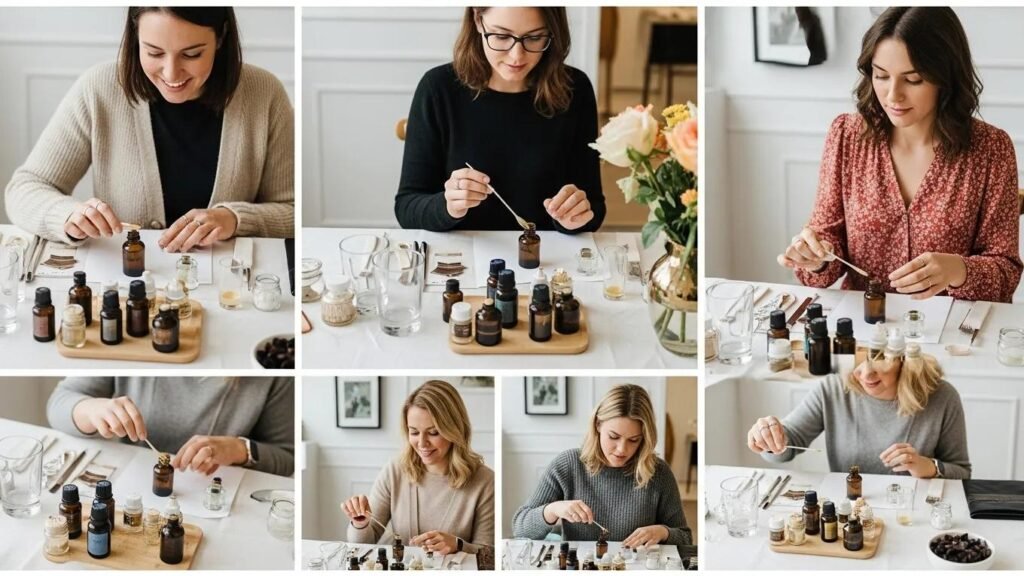
A fragrance workshop teaches you how perfumes are built, from notes and accords to blending. Most last a few hours and end with a small bottle you mixed yourself; longer masterclasses go deeper into raw materials and composition. Choose by goal: a fun one-off, a real skill, or a professional path.
Maison Alhambra Fragrance Guide is an independent site. We don’t run workshops; this guide helps you choose one.
Types of fragrance workshops
| Type | Typical length | Best for | What you leave with |
|---|---|---|---|
| Blending experience | 1–3 hours | Gifts, dates, curiosity | A small bottle you blended |
| Beginner course | A day or a few sessions | Hobbyists who want real basics | Notes on families, notes and accords |
| Masterclass | Varies | Enthusiasts going deeper | Hands-on time with raw materials |
| Professional training | Months to years | A perfumery career | Formal skills and credentials |
Lengths are typical ranges; each provider sets its own format.
What you usually learn
- Scent families: fresh, floral, woody, amber and how they combine. See Perfume Families Explained.
- The note pyramid: why top notes fade first and base notes last. See Fragrance Notes Explained.
- Accords: how a few materials combine into one impression, such as “amber” or “leather”.
- Blending by drops: building a formula step by step and recording it so you can repeat it.
- Materials: the difference between essential oils, absolutes and synthetic molecules. See Perfume Ingredients.
Questions to ask before you book
- Who teaches it, and what is their training or experience?
- How many materials will you work with, and are they naturals, synthetics or both?
- How large is the group? Smaller groups mean more guidance.
- What do you take home: a bottle, your formula, notes?
- Is the class suitable if you have fragrance sensitivities or allergies?
- What is the cancellation and refund policy?
Practise at home first
You can build your nose before spending on a class:
- Smell two perfumes from the same family side by side and note the differences.
- Try simple layering with two scents you already own.
- Learn the vocabulary with our perfume glossary.
- Use a repeatable at-home testing method and keep notes.
Frequently asked questions
Do I need experience to join a fragrance workshop?
No. Blending experiences and beginner courses are designed for people with no background. Masterclasses may assume some knowledge, so check the description.
Will I make a perfume as good as a designer one?
Usually not in one session. Professional perfumes take many revisions and years of training. A workshop is about learning and enjoying the process.
Does Maison Alhambra Fragrance Guide run workshops?
No. We are an independent guide to Maison Alhambra fragrances. Look for local perfumeries, schools or fragrance studios near you.
Is a workshop safe if I have sensitive skin?
Ask the provider in advance. Concentrated materials can irritate skin, so good workshops use blotter strips and explain safe handling.
Updated 13 October 2026. Some links on this site go to Amazon; purchases may earn us a commission at no extra cost to you. Affiliate disclosure.