Perfume Creation Techniques: Mastering Maceration and Formulation for Luxurious Fragrance Crafting
The art of perfume creation is a delicate balance of science and creativity, where techniques like maceration and formulation play pivotal roles. Understanding these processes not only enhances the quality of fragrances but also enriches the experience of both the creator and the consumer. This article delves into the intricate methods of maceration and formulation, highlighting their significance in crafting luxurious scents. Readers will learn about the essential steps involved in these techniques, the impact of ingredient selection, and how Maison Alhambra employs these methods to create its signature perfumes. By exploring these topics, we aim to illuminate the complexities of fragrance creation and the craftsmanship behind artisanal perfumes.
The rich history and scientific investigation of natural scents have profoundly stimulated the evolution of fragrance creation, shaping the perfumer’s palette over centuries.
History & Chemistry of Fragrance Creation
Following a short overview on the history of perfumery, the first topic (Natural scents) is providing some insight into the investigation of natural scents and how this work has strongly stimulated fragrance creation as well as the quest to find new odoriferous substances for the perfumer’s palette. The second subject (Fragrance chemistry) gives a historical overview over the chemistry of fragrances and briefly describes the rational behind the synthesis and composition of new scents.
Perfumes and Fragrances from Flowers, 2026
What Is the Perfume Maceration Process and Why Is It Essential?
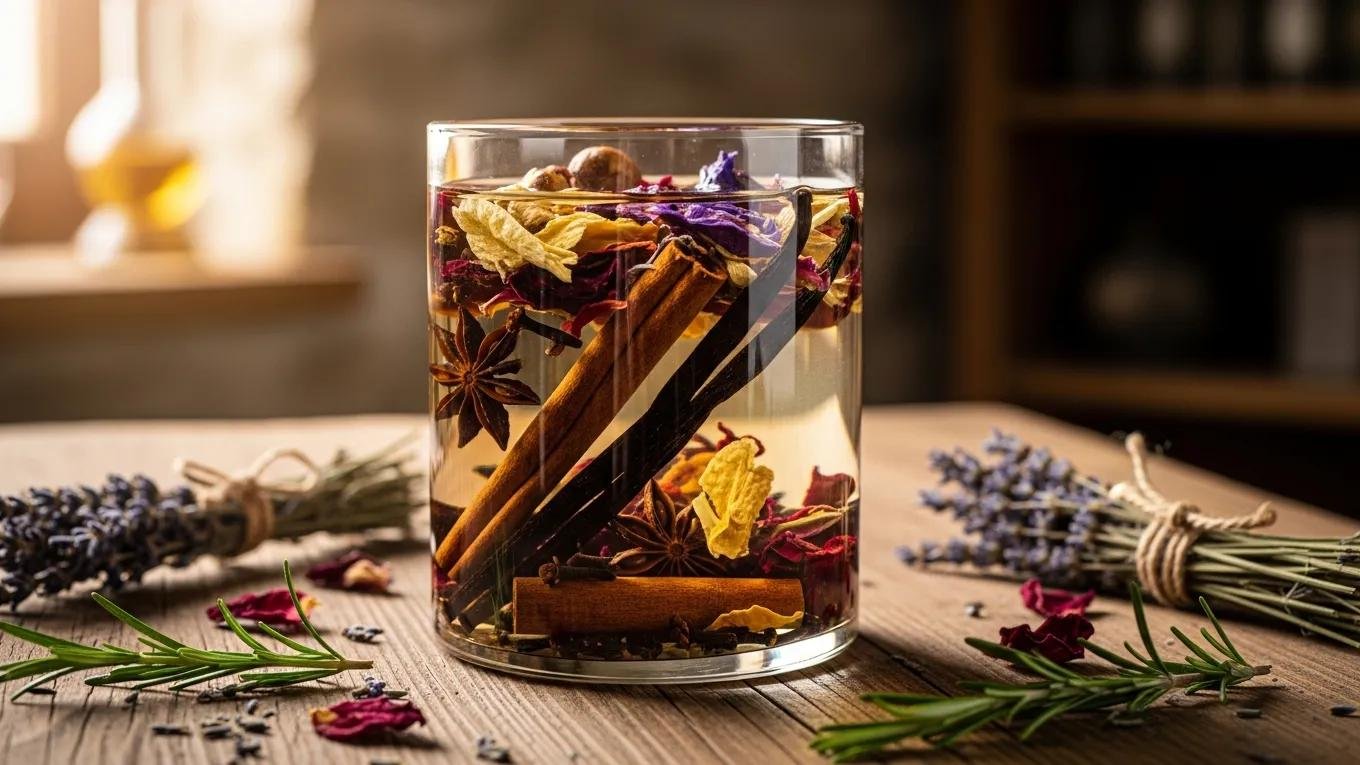
Maceration is a fundamental process in perfumery that involves soaking raw materials in a solvent, typically alcohol, to extract their aromatic compounds. This technique is essential as it allows the fragrance components to blend and mature, resulting in a more complex and harmonious scent profile. The maceration process not only enhances the depth of the fragrance but also contributes to its longevity, making it a crucial step in perfume creation. Traditional methods of maceration, often passed down through generations, are employed to ensure that the essence of the ingredients is fully captured.
Further emphasizing the historical roots of this technique, traditional methods like maceration and enfleurage are crucial for extracting delicate floral essences.
Traditional Maceration & Enfleurage in Perfumery
Maceration (also known as enfleurage when using cold fat) is a more traditional method for many delicate flowers in perfumery, that have been traditionally processed using maceration.
Perfumes and Fragrances from Flowers, 2026
How Does Maceration Enhance Fragrance Depth and Longevity?
Maceration significantly enhances fragrance depth by allowing the various notes to intermingle and evolve over time. As the raw materials steep, their volatile compounds are released, creating a richer and more nuanced scent. This process also contributes to the longevity of the fragrance, as the complex blend of notes can linger on the skin for extended periods. The result is a perfume that not only smells exquisite upon application but also develops beautifully over time, revealing different facets of its character.
What Traditional Maceration Methods Does Maison Alhambra Employ?
Maison Alhambra employs several traditional maceration methods that reflect its commitment to artisanal craftsmanship. These methods include cold maceration, where ingredients are steeped at low temperatures to preserve their delicate aromas, and hot maceration, which accelerates the extraction process. Each technique is chosen based on the specific characteristics of the raw materials used, ensuring that the final fragrance embodies the essence of its components while honoring the time-honored practices of perfumery.
How to Master Fragrance Formulation Methods for Artisan Perfumes
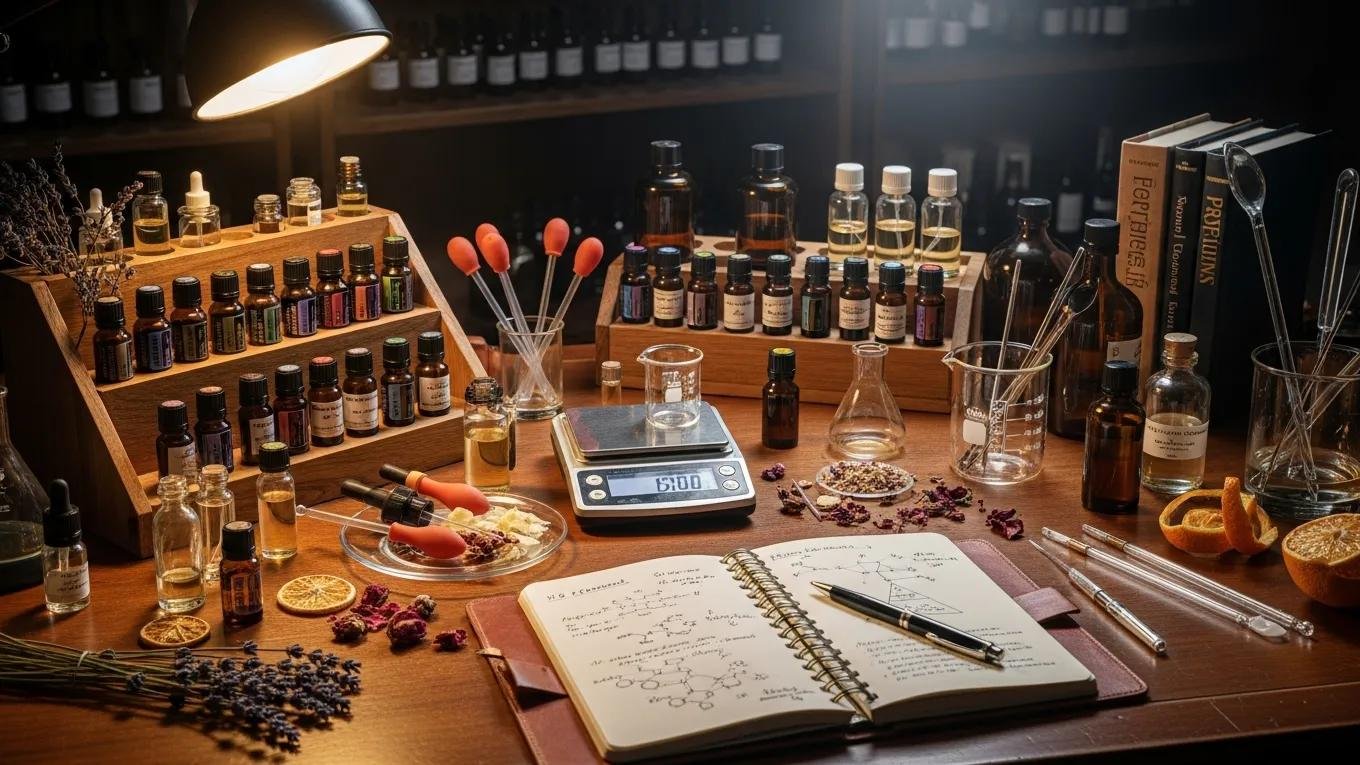
Fragrance formulation is a meticulous process that involves blending various aromatic ingredients to create a balanced and appealing scent. Mastering this art requires an understanding of the different fragrance families, the role of each ingredient, and the desired outcome of the final product. The formulation process is not only about combining scents but also about achieving a harmonious balance that resonates with the intended audience.
What Are the Step-by-Step Techniques in Perfume Formulation?
The perfume formulation process typically involves several key steps:
- Concept Development: Defining the vision and target audience for the fragrance.
- Ingredient Selection: Choosing high-quality raw materials that align with the fragrance concept.
- Blending: Carefully combining the selected ingredients in precise ratios to achieve the desired scent profile.
- Maturation: Allowing the blended fragrance to rest, enabling the notes to meld and mature.
- Testing and Refinement: Evaluating the fragrance and making necessary adjustments to perfect the final product.
These steps are crucial for creating a well-rounded and appealing perfume that captures the essence of the intended concept.
How Does Ingredient Selection Influence the Final Scent Profile?
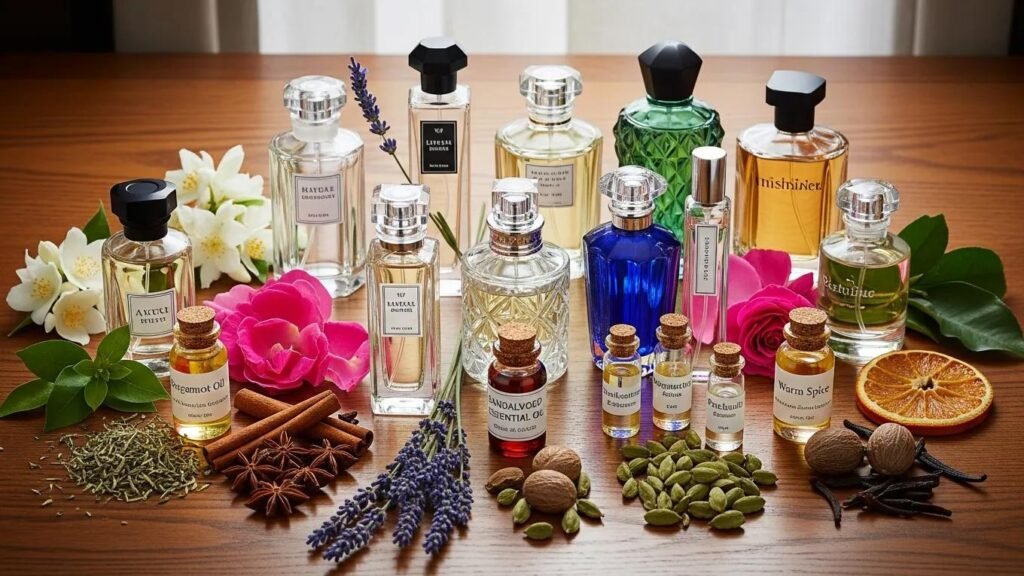
Ingredient selection plays a vital role in determining the final scent profile of a perfume. Different ingredient families, such as florals, woods, and spices, contribute unique characteristics to the fragrance. For instance, floral notes can add a sense of freshness and femininity, while woody notes provide depth and warmth. The dominance principle in fragrance classification suggests that the most prominent notes will shape the overall perception of the scent. Therefore, careful consideration of each ingredient’s properties is essential for achieving a balanced and harmonious fragrance.
Research further elaborates on the scientific approach to perfume formulation, detailing how different fragrance families are systematically combined to create structured accords.
Scientific Perfume Formulation: Designing Fragrance Accords
This research focused on developing a scientific perfume design map by systematically combining different fragrance families to generate structured accords. The experiments involved selecting representatives from four main aromatic family‟s floral, fruity, citrus, and spicy (with woody as a complementary option) and mixing them in graded proportions represented by drops on blotting papers.
Perfume Design Map: A Scientific Framework for Creating Accords Formulation from Fragrance Families, AY El-Khateeb, 2025
This table illustrates how different ingredient families contribute distinct characteristics to fragrance profiles, emphasizing the importance of thoughtful ingredient selection in perfume formulation.
Which Natural Perfume Extraction Techniques Define Maison Alhambra’s Craftsmanship?
Maison Alhambra is renowned for its commitment to natural perfume extraction techniques that prioritize quality and sustainability. These methods ensure that the aromatic compounds are preserved in their purest form, resulting in fragrances that are both luxurious and environmentally conscious.
How Are Essential Oils and Aroma Chemicals Sourced Sustainably?
Sustainable sourcing of essential oils and aroma chemicals is a cornerstone of Maison Alhambra’s philosophy. The brand collaborates with local farmers and suppliers who adhere to ethical practices, ensuring that the raw materials are harvested responsibly. This approach not only supports local economies but also minimizes the environmental impact of sourcing. By prioritizing sustainability, Maison Alhambra guarantees that its fragrances are not only exquisite but also aligned with the values of conscious consumers.
What Role Does Transparent Ingredient Sourcing Play in Luxury Perfumes?
Transparent ingredient sourcing is crucial in the luxury perfume market, as it fosters trust and confidence among consumers. Maison Alhambra emphasizes the importance of transparency by providing detailed information about the origins of its ingredients. This commitment to openness not only enhances the brand’s credibility but also allows consumers to make informed choices about the products they purchase. In an era where consumers are increasingly concerned about sustainability and ethical practices, transparent sourcing plays a pivotal role in shaping brand loyalty.
What Are the Expert Perfume Blending Techniques Behind Signature Scents?
Expert blending techniques are essential for creating signature scents that stand out in a crowded market. These techniques involve a deep understanding of how different notes interact and complement each other, resulting in unique and memorable fragrances.
How Does Olfactory Blending Create Unique Fragrance Families?
Olfactory blending is the art of combining various scent notes to create distinct fragrance families. By understanding the relationships between different notes, perfumers can craft scents that evoke specific emotions or memories. For example, a blend of citrus and floral notes may create a refreshing and uplifting fragrance, while a combination of spicy and woody notes can evoke warmth and comfort. This creative process allows perfumers to develop unique identities for their fragrances, setting them apart from competitors.
What Is the Impact of Aging and Maceration on Perfume Complexity?
Aging and maceration significantly contribute to the complexity of a perfume. As fragrances mature, their components interact and evolve, leading to a more intricate scent profile. This process can reveal hidden nuances and enhance the overall depth of the fragrance. The interplay between aging and maceration is particularly important in creating signature scents that develop over time, offering a dynamic olfactory experience for the wearer.
How Does Maison Alhambra Combine Tradition and Innovation in Perfume Creation?
Maison Alhambra expertly blends traditional techniques with innovative practices to create perfumes that honor the past while embracing the future. This approach allows the brand to maintain its artisanal roots while adapting to contemporary trends and consumer preferences.
What Advanced Perfumery Techniques Complement Traditional Maceration?
In addition to traditional maceration methods, Maison Alhambra incorporates advanced perfumery techniques that enhance the extraction and blending processes. Techniques such as molecular distillation and supercritical CO2 extraction allow for the capture of delicate aromas that may be lost in conventional methods. By integrating these innovations, Maison Alhambra ensures that its fragrances are of the highest quality, showcasing the full spectrum of aromatic potential.
How Do Signature Perfume Profiles Reflect Maison Alhambra’s Heritage?
The signature perfume profiles of Maison Alhambra are deeply rooted in the brand’s heritage, reflecting cultural influences and historical narratives. Each fragrance tells a story, drawing inspiration from the rich tapestry of the brand’s origins. This connection to heritage not only adds depth to the fragrances but also resonates with consumers seeking authenticity and meaning in their scent choices.
Where Can Enthusiasts Learn and Experience Maison Alhambra’s Perfume Crafting?
For those interested in exploring the world of perfume crafting, Maison Alhambra offers various resources and experiences that provide insight into the art of perfumery. These opportunities allow enthusiasts to deepen their understanding of fragrance creation and appreciate the craftsmanship involved.
What Visual and Multimedia Resources Explain Maceration and Formulation?
Maison Alhambra provides a range of visual and multimedia resources that explain the intricacies of maceration and formulation. These resources include instructional videos, detailed guides, and interactive workshops that engage consumers and enhance their knowledge of the perfume-making process. By making this information accessible, Maison Alhambra fosters a greater appreciation for the artistry behind its fragrances.
How Can Customers Explore and Purchase Maison Alhambra’s Artisanal Perfumes?
Customers can explore and purchase Maison Alhambra’s artisanal perfumes through its official website, where a curated selection of fragrances is available. Each product is accompanied by detailed descriptions that highlight the unique characteristics and stories behind the scents. This approach not only facilitates informed purchasing decisions but also allows customers to connect with the brand on a deeper level, enhancing their overall experience.
Frequently Asked Questions
What is the difference between maceration and enfleurage in perfume creation?
Maceration and enfleurage are both traditional methods for extracting aromatic compounds from raw materials, but they differ in technique. Maceration involves soaking plant materials in a solvent, typically alcohol, to extract their essences. In contrast, enfleurage uses a fat-based medium to absorb the fragrance from flowers, which is then washed with alcohol to separate the scent. While maceration is more commonly used for a variety of materials, enfleurage is particularly suited for delicate flowers that cannot withstand the heat of other extraction methods.
How long does the maceration process typically take?
The duration of the maceration process can vary significantly depending on the type of raw materials used and the desired intensity of the fragrance. Generally, maceration can last anywhere from a few days to several weeks. For delicate flowers, shorter maceration times are often preferred to preserve their fresh notes, while more robust materials may benefit from longer soaking periods. Ultimately, the goal is to achieve a balanced and harmonious scent profile that reflects the essence of the ingredients.
What are some common challenges faced during fragrance formulation?
Fragrance formulation can present several challenges, including achieving a balanced scent profile, ensuring ingredient compatibility, and maintaining consistency across batches. Perfumers must also navigate the volatility of certain ingredients, which can change over time or with exposure to air and light. Additionally, creating a fragrance that resonates with the target audience while standing out in a competitive market requires a deep understanding of consumer preferences and trends. These challenges necessitate a blend of creativity, technical skill, and experience.
How does aging affect the scent of a perfume?
Aging plays a crucial role in the development of a perfume’s scent. As a fragrance matures, its components interact and evolve, often leading to a more complex and nuanced profile. This process can enhance certain notes while softening others, resulting in a richer olfactory experience. Aging allows the various elements of the fragrance to harmonize, revealing hidden layers and depth that may not be apparent immediately after formulation. This is why many perfumers recommend allowing a fragrance to rest before its final evaluation.
What sustainable practices does Maison Alhambra implement in its perfume production?
Maison Alhambra prioritizes sustainability in its perfume production by sourcing ingredients from local farmers who adhere to ethical and environmentally friendly practices. This approach not only supports local economies but also minimizes the ecological footprint associated with ingredient harvesting. Additionally, the brand emphasizes transparency in its sourcing, providing consumers with information about the origins of its materials. By integrating sustainable practices, Maison Alhambra ensures that its luxurious fragrances are both exquisite and responsible.
Can customers participate in perfume-making workshops at Maison Alhambra?
Yes, Maison Alhambra offers various workshops and experiences for customers interested in learning about perfume-making. These workshops provide hands-on opportunities to explore the art of fragrance creation, guided by experienced perfumers. Participants can gain insights into the techniques of maceration, formulation, and blending, allowing them to appreciate the craftsmanship behind each scent. These interactive sessions are designed to enhance understanding and foster a deeper connection to the world of perfumery.