Perfume can change as it ages, but there is no single expiry period that fits every formula and bottle. Follow the manufacturer’s guidance and assess changes in smell, appearance or use comfort rather than relying only on a generic years-after-opening rule.
What the evidence supports
The FDA explains that cosmetic shelf life depends on the product type, use and storage. Heat and sunlight can contribute to changes. This does not establish a fixed three-year or five-year lifespan for every perfume. If a bottle carries a use-period symbol or date, keep that information with the product.
Check a suspect bottle methodically
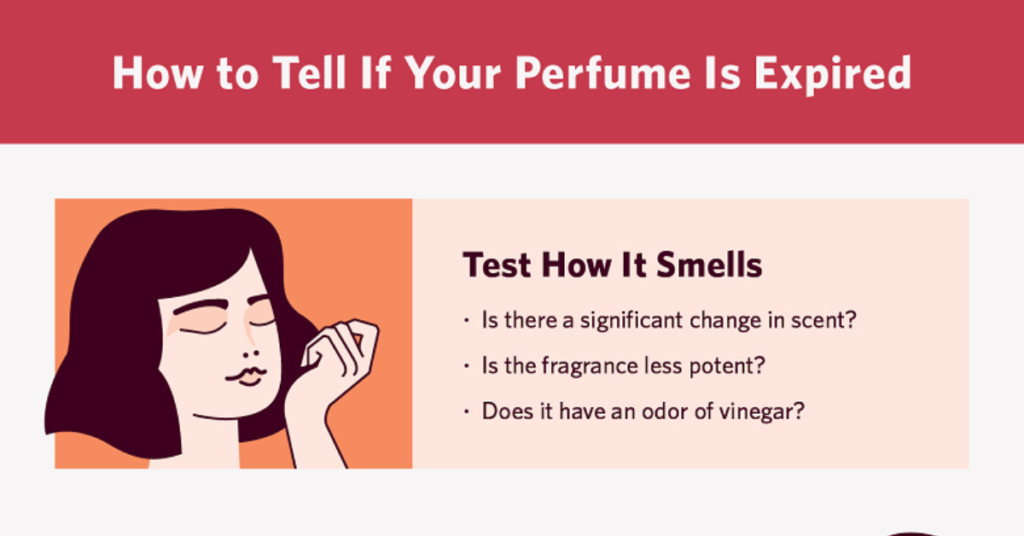
Compare its smell with your earlier experience or a known fresh sample of the exact version. A colour change alone does not identify the cause. Persistent unwanted changes, leakage or damaged packaging are reasons to ask the seller or manufacturer for advice. Stop using a product that causes an unexpected reaction.
Keep a simple bottle record
Write the purchase date, opening date and seller on a note. Retain the box or a photo of the batch code. Store the bottle securely closed away from prolonged heat and sunlight. Do not add water, alcohol or other products to try to repair a perfume that smells wrong.
Storage habits that help
Heat, light and air are the main things that change a perfume over time. Keep bottles closed, away from direct sunlight and out of warm, humid rooms. A cool drawer or cupboard is usually better than a windowsill or bathroom shelf. Keeping the original box can add protection from light.
Signs to check before you wear an older bottle
Look for a clear change in colour, a cloudy or separated liquid, or a smell that is noticeably sour, metallic or flat compared with what you remember. Test a small amount on your skin first, and stop using it if you notice irritation. If the scent has simply softened, you may still enjoy it, but you are the judge of that.
Why a bottle you rarely use can last longer
A bottle that is opened less often is exposed to less air and fewer temperature swings, which generally helps it keep its character. Rotating a small number of bottles is a practical way to enjoy them while they are at their best. For wider buying habits, see our perfume wardrobe guide.
Comparison at a glance
| Observation | What it tells you | Next step |
|---|---|---|
| Opening date | How long you have used the bottle | Compare with label guidance |
| Colour change | The appearance changed | Assess alongside smell and manufacturer advice |
| Leaking atomizer | Packaging needs attention | Contact the seller; avoid casual decanting into unsuitable containers |
| Unwanted reaction | The product is not comfortable to use | Stop use and seek appropriate advice |
Maison Alhambra products to compare
These editorial suggestions use the scent directions in our catalog. Choose a sample where available and compare the finished perfumes yourself; no measured wear-time ranking is implied.
| Product | Catalog bottle size | Why compare it |
|---|---|---|
| Porto Neroli | 80 ml | An 80 ml catalog option: consider whether you will use that volume. |
| The Tux | 90 ml | A 90 ml alternative: compare size with your actual rotation. |
Questions readers ask
Can a batch-code website prove perfume is safe?
No. A code lookup may suggest production information, but it cannot assess the bottle’s storage or condition.
Should I buy the biggest bottle for value?
Only if you expect to use it. A smaller purchase or sample can be better value than an inexpensive large bottle that stays unused.
Sources and data notes
FDA: shelf life and expiration dating of cosmetics. This is general cosmetic guidance, not a shelf-life test of the products listed here.
Read next: How to Test Perfume at Home: The Right Way · Perfume Wardrobe · Perfume Mistakes That Kill Longevity (And How to Fix Them)
Catalog details checked 11 October 2026. Prices, packaging and availability can change. Some product links lead to Amazon; purchases may earn us a commission. Affiliate disclosure.