What Your Perfume Says About You: Fruity, Floral, Woody or Oud?
Your fragrance preference reveals more about your personality than you might realize. Psychologists and perfumers have long observed patterns between scent choices and character traits, backed by research in olfactory psychology and consumer behavior studies. Understanding these connections helps you choose fragrances that authentically represent who you are—or who you aspire to become.
This guide examines the four major fragrance families and what they typically reveal about the people who wear them, based on psychological research, industry insights, and fragrance expert observations.
The Science Behind Scent and Personality
The relationship between fragrance preference and personality isn’t mere speculation. Several studies have established genuine connections:
Research from Hiroshima International University (2021) found that fragrance preferences correlate with the Big Five personality traits. People high in openness preferred complex, unconventional scents, while those high in agreeableness favored soft, approachable fragrances.
The Sense of Smell Institute documented that scent choices reflect self-perception and aspirational identity. We gravitate toward fragrances that match our self-concept or the image we want to project.
Neuroimaging studies show the olfactory system’s direct connection to the limbic system (emotional center) explains why scent preferences feel so personal and emotionally driven.
With this scientific foundation, let’s explore what each fragrance family reveals.
Fruity Fragrances: The Optimistic Extrovert
Common Notes: Apple, pear, peach, berries, citrus fruits, tropical fruits, plum
Example Fragrances:
- DKNY Be Delicious (green apple)
- Viktor & Rolf Flowerbomb (blackcurrant, pear)
- Escada fragrances (various fruits)
- Juicy Couture Viva La Juicy (berries)
Personality Indicators
People who favor fruity fragrances typically exhibit:
Extroversion and Social Energy
Fruity scent lovers score higher on extroversion scales in personality studies. They’re often the social connectors in their groups—planning gatherings, maintaining friendships, and energizing social situations.
Youthful Outlook
Regardless of actual age, fruity fragrance wearers tend to maintain optimistic, playful attitudes. This doesn’t mean immaturity; rather, they resist cynicism and maintain enthusiasm for life’s experiences.
Approachability
Fruity notes are universally recognized as friendly and non-threatening. People who choose these scents typically value being approachable and creating comfortable social atmospheres.
Present-Focused Living
Unlike woody or oud wearers who may be reflective, fruity fragrance lovers tend to live in the moment. They prioritize immediate experiences and sensory pleasures.
The Psychology
Fruity scents trigger associations with freshness, vitality, and pleasure. From childhood, we associate fruit with treats, summer, and positive experiences. Adults who maintain fruity preferences often retain that connection to uncomplicated joy.
Dr. Rachel Herz, neuroscientist and fragrance psychologist, notes that fruity fragrance preference correlates with higher scores on “sensation-seeking” personality assessments. These individuals pursue varied, novel experiences.
Career and Lifestyle Patterns
Fruity fragrance enthusiasts often thrive in:
- Social-facing professions (PR, hospitality, teaching)
- Creative fields requiring collaboration
- Customer service and client relations
- Event planning and entertainment
They typically maintain active social calendars, diverse friend groups, and prioritize relationships over solitary pursuits.
Considerations
If you’re drawn to fruity fragrances but work in conservative professional environments, consider that these scents can read as too casual or young for serious business contexts. Reserve them for social situations or choose fruity-floral hybrids with more sophistication.
Floral Fragrances: The Emotional Romantic
Common Notes: Rose, jasmine, lily, peony, violet, tuberose, orange blossom, gardenia
Example Fragrances:
- Chanel No. 5 (aldehydic florals)
- Dior J’adore (champaca, rose, jasmine)
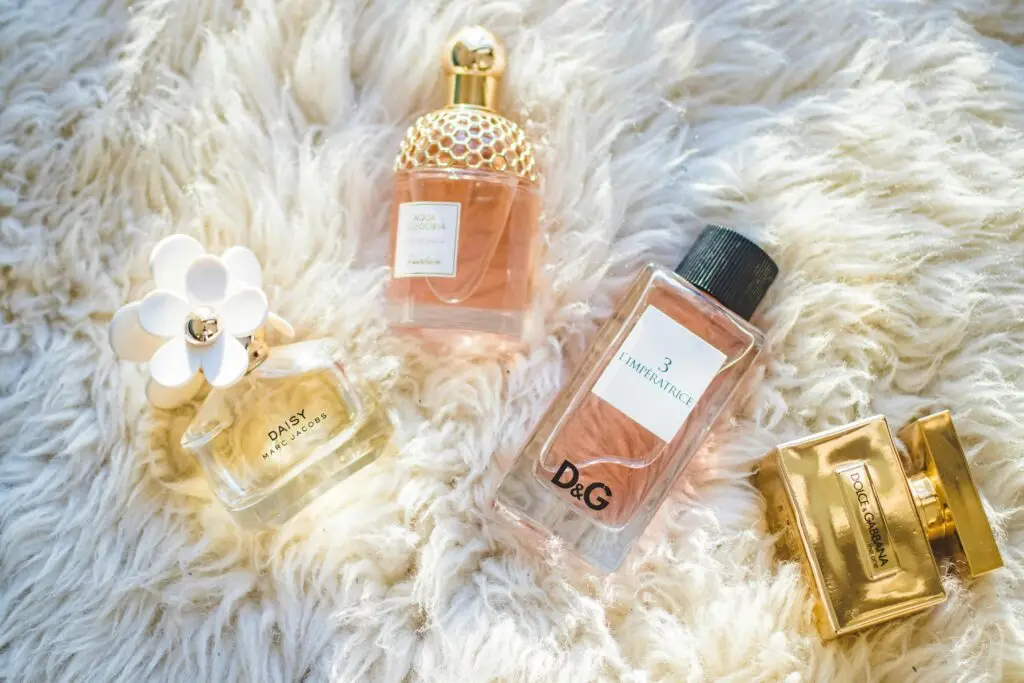
- Marc Jacobs Daisy (violet, jasmine)
- Lancôme La Vie Est Belle (iris, orange blossom)
Personality Indicators
Floral fragrance devotees typically demonstrate:
High Emotional Intelligence
Research from the University of Pennsylvania found that people who prefer floral scents score higher on empathy and emotional awareness assessments. They’re attuned to others’ feelings and excel at reading social cues.
Romantic Worldview
Not necessarily naïve, but floral lovers tend to believe in meaningful connections, grand gestures, and the importance of beauty in daily life. They invest in relationships and aesthetics.
Traditional Values with Modern Sensibility
Florals are the oldest perfume family, yet they remain popular. Wearers appreciate classical elegance while adapting it to contemporary contexts—think timeless pieces styled in current ways.
Detail Orientation
Floral fragrance lovers often notice subtleties others miss—from emotional undercurrents in conversations to aesthetic details in environments. This attention manifests in carefully curated spaces and thoughtful communication.
The Psychology
Flowers have been associated with femininity, romance, and beauty across cultures for millennia. These deep-rooted associations influence our psychological responses.
Interestingly, modern research shows floral preferences aren’t gender-specific. Men who choose floral-dominant fragrances (like Dior Homme Intense with iris) often exhibit high emotional intelligence and comfort with vulnerability—traits traditionally undervalued in masculine socialization.
Career and Lifestyle Patterns
Floral enthusiasts often excel in:
- Counseling and therapy
- Interior design and aesthetics
- Human resources and people management
- Arts and cultural sectors
- Healthcare professions requiring empathy
Their homes typically feature fresh flowers, carefully chosen décor, and spaces designed for emotional comfort rather than just functionality.
Subtypes
Soliflores (single flower): Purists who appreciate simplicity and directness
Floral bouquets: Complex personalities who appreciate nuance
Fruity-florals: Bridge between playful and romantic
Green florals: Florals who also value nature and authenticity
Woody Fragrances: The Grounded Intellectual
Common Notes: Sandalwood, cedar, vetiver, patchouli, guaiac wood, cypriol
Example Fragrances:
- Tom Ford Oud Wood (rosewood, sandalwood)
- Le Labo Santal 33 (sandalwood, cedar)
- Dior Homme Intense (iris, vetiver, cedar)
- Terre d’Hermès (cedar, vetiver)
Personality Indicators
Woody fragrance wearers consistently show:
Intellectual Curiosity
Studies from fragrance houses reveal woody scent preference correlates with higher education levels and philosophical interests. These individuals value depth over surface appeal.
Emotional Stability
Woody fragrances are grounding and stabilizing. People drawn to them typically exhibit lower neuroticism scores and serve as emotional anchors in their relationships.
Introspective Nature
Unlike fruity wearers who are externally focused, woody enthusiasts are comfortable with solitude and self-reflection. They process experiences internally and value meaningful over frequent interactions.
Long-term Thinking
Woods symbolize permanence and age. Wearers often take long-term perspectives in decisions, value tradition and craftsmanship, and invest in quality over trends.
The Psychology
Woods evoke forests, nature, and earthiness. Psychologically, they represent stability, wisdom, and endurance—qualities that resonate with people who value substance.
Woody fragrances also require “acquired taste” development. The typical progression goes: citrus/fruity → floral → woody. This evolution reflects growing sophistication and self-knowledge.
Dr. Avery Gilbert, sensory psychologist, notes that woody preference often develops with life experience. Younger individuals may find woods boring; mature personalities appreciate their complexity.
Career and Lifestyle Patterns
Woody fragrance lovers often thrive in:
- Academia and research
- Architecture and engineering
- Law and finance
- Philosophy and writing
- Strategic consulting
Their homes emphasize quality furniture, extensive libraries, and classic design that ages gracefully. They prefer depth in friendships over broad social networks.
Gender Dynamics
While marketed as masculine, woody fragrances are increasingly unisex. Women wearing woods often exhibit confidence, independence, and resistance to traditional gender expectations. Men wearing woods typically value traditional masculine qualities but with evolved emotional awareness.
Oud Fragrances: The Bold Individualist
Common Notes: Agarwood/oud, incense, amber, leather, spices (saffron, cardamom), resins
Example Fragrances:
- Tom Ford Oud Wood
- Yves Saint Laurent M7 Oud Absolu
- Montale Black Aoud
- Maison Francis Kurkdjian Oud Satin Mood
Personality Indicators
Oud enthusiasts distinctly demonstrate:
Strong Self-Identity
Oud is polarizing—people either love or hate it. Those who wear it anyway exhibit high self-confidence and indifference to others’ opinions. They’re comfortable being controversial.
Cultural Curiosity
Oud originated in Middle Eastern perfumery. Westerners drawn to it typically exhibit openness to other cultures, travel frequently, and seek authentic experiences over tourist attractions.
Sensory Sophistication
Oud is an acquired taste requiring developed olfactory sensitivity. Wearers typically have refined palates in food, wine, and art—they’re sensory connoisseurs.
Non-Conformist Values
In Western contexts, oud remains niche. Choosing it signals rejection of mainstream preferences and willingness to stand apart from crowds.
The Psychology
Oud’s complex, animalic, sometimes challenging character appeals to personalities comfortable with intensity and complexity. Unlike fruity’s immediate pleasure, oud rewards patience and contemplation.
Psychologically, oud wearers often score high on “need for uniqueness” scales. They actively avoid popular trends and seek distinctive identity markers.
The spiritual associations of oud (used in religious ceremonies across Asia) attract seekers and philosophers. Even secular oud wearers often exhibit interest in meaning, purpose, and transcendence.
Career and Lifestyle Patterns
Oud lovers often work in:
- Creative director and artistic roles
- Entrepreneurship and innovation
- Philosophy and spirituality
- Luxury brand management
- Cultural criticism and arts
Their lifestyles emphasize authenticity over status. They travel to experience rather than collect destinations, curate unique possessions, and maintain intellectually stimulating relationships.
The Oud Progression
Entry Level: Oud Wood (smooth, woody-oud introduction)
Intermediate: Rose-oud combinations (softened with florals)
Advanced: Pure oud or incense-oud (challenging, meditative)
Most oud lovers started with woods, then discovered oud’s additional depth. Jumping straight to oud without woody appreciation is rare.
Cultural Context
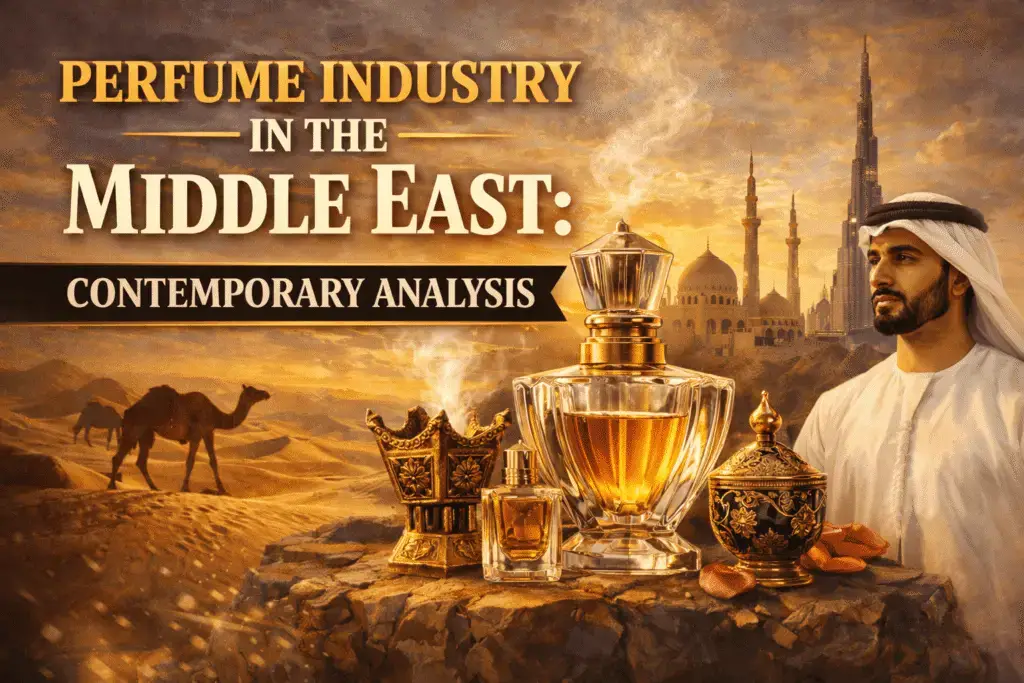
In Middle Eastern cultures, oud wearing doesn’t carry the same “statement” quality—it’s traditional. However, even there, oud choice (quality, blend, application amount) reveals personality. Heavy oud application signals confidence and status; subtle application shows sophistication.
Mixed Preferences: The Complex Individual
Most people don’t fit perfectly into one category. Your fragrance wardrobe likely includes multiple families, revealing a multifaceted personality.
Common Combinations
Fruity + Floral (Fruity-Floral)
Extroverted romantics who balance social energy with emotional depth. They’re warm, approachable, and maintain close friendships.
Woody + Oud
Intellectual individualists who value both stability and uniqueness. Often philosophers, artists, or academics comfortable with complexity.
Floral + Woody
Emotional stability meets romantic inclination. These individuals maintain long-term relationships, value beauty and depth equally.
Fruity + Woody
Rare combination suggesting internal conflict between social/playful impulses and introspective/serious nature. Or indicates different fragrances for different contexts.
How Context Changes Meaning
Your fragrance choice also reflects situational factors:
Life Stage
Late teens – Early 20s: Typically fruity or sweet florals (exploration, social focus)
Late 20s – 30s: Often shift to sophisticated florals or light woods (establishing identity)
40s+: Frequently gravitate toward woods, ouds, complex florals (self-knowledge, confidence)
This isn’t rigid, but patterns emerge across demographics.
Professional Context
The same person might wear:
- Work: Woody (competence, stability)
- Dates: Floral or fruity-floral (approachability, romance)
- Personal time: Oud (authentic self-expression)
This contextual shifting shows social intelligence rather than inauthenticity.
Cultural Background
Fragrance preference strongly correlates with cultural upbringing:
Western preference: Citrus, fresh, light florals, clean musks
Middle Eastern preference: Oud, incense, rose, amber, heavy concentration
Asian preference: Green tea, light florals, delicate, minimalist
Latin American preference: Fruity-floral, sweet, warm, generous application
Understanding your cultural lens helps interpret your preferences.
Gender and Fragrance Families
Modern perfumery increasingly rejects gendered marketing, but traditional associations persist:
Traditionally Feminine
Fruity, floral, sweet gourmands, light orientals
Men wearing these: Often exhibit emotional openness, comfort with femininity, creative careers, higher agreeableness
Traditionally Masculine
Woody, leather, spicy, fresh aquatics
Women wearing these: Often exhibit independence, confidence, professional ambition, lower agreeableness
Truly Unisex
Oud, complex orientals, some woods, aromatic herbs
Anyone wearing these: Values authenticity over convention
The shift toward unisex fragrances reflects broader cultural evolution beyond rigid gender roles.
What Your Fragrance Wardrobe Reveals
The Minimalist (1-3 fragrances)
Values simplicity, decisiveness, and consistency. Often has clear self-knowledge and little identity questioning.
The Modest Collector (4-8 fragrances)
Recognizes contextual needs while avoiding excess. Balanced personality with moderate openness to experience.
The Enthusiast (9-20 fragrances)
High openness to experience, appreciates nuance, may struggle with decision-making due to seeing multiple valid options.
The Obsessive (20+ fragrances)
Collector personality, detail-oriented, possibly anxious about having “wrong” option, values control and preparedness.
Practical Applications
Choosing Authentically
Rather than picking fragrances based on what you “should” like, try:
- Sample widely across families without prejudice
- Notice emotional responses more than others’ opinions
- Wear for full days to understand genuine compatibility
- Reflect on when you feel most yourself in each scent
Reading Others
Understanding fragrance psychology helps in social and professional contexts:
- Job candidate wearing woody fragrance: Likely values stability, thinks long-term
- Date wearing fruity scent: Probably prioritizes fun, social connection
- Client wearing oud: Values uniqueness, may resist conventional solutions
- Colleague wearing florals: High emotional intelligence, good for people-management
Use these as hypotheses, not certainties.
Evolution and Growth
Your fragrance preferences may change with personal growth:
- Moving from fruity to woody: Often reflects maturing priorities
- Adding oud to repertoire: May indicate increasing self-confidence
- Returning to florals: Could signal renewed appreciation for emotions after intellectual phase
These shifts mirror internal development.
Conclusion: The Scent of Self
Your fragrance family preference isn’t deterministic—you’re not “locked in” to being a fruity person or woody person. But patterns emerge because scent connects directly to our emotional and identity centers.
Understanding these connections empowers you to:
- Choose fragrances that authentically express who you are
- Build a wardrobe that supports different life contexts
- Understand yourself and others more deeply
- Evolve your scent choices as you grow
Whether you’re drawn to the sunny optimism of fruity scents, the emotional depth of florals, the grounded sophistication of woods, or the bold individuality of oud, your preference reveals something genuine about your inner world.
The most important consideration? Wear what makes you feel like yourself—even if it defies categorization.
Frequently Asked Questions
Can men wear fruity or floral fragrances?
Absolutely. While traditionally marketed toward women, fruity and floral notes have no inherent gender. Men wearing these demonstrate emotional openness and confidence to reject restrictive masculine norms. Examples include Dior Homme Intense (prominent iris/floral), Prada L’Homme (violet/floral), and many modern unisex fragrances. The key is wearing what resonates with your personality rather than conforming to gendered marketing. In blind smell tests, people can’t actually determine the “gender” of most fragrances—the associations are purely cultural conditioning.
Does fragrance preference change with age?
Yes, research shows clear patterns. Young adults (18-25) typically prefer fruity and sweet scents. As people mature into their 30s-40s, preferences often shift toward woody, oriental, and complex fragrances. This reflects growing self-knowledge, refined taste development, and confidence to wear challenging scents. However, some maintain consistent preferences throughout life. The shift isn’t universal but represents common trajectories as olfactory sensitivity develops and personality solidifies.
What if I like multiple fragrance families equally?
This indicates a multifaceted personality—you’re likely high in openness to experience and adaptability. Most fragrance enthusiasts maintain collections spanning multiple families for different moods and contexts. This flexibility shows social intelligence and comfort with different aspects of your identity rather than confusion. The key is ensuring each fragrance serves a genuine purpose rather than collecting for collecting’s sake.
Are oud fragrances really “too strong” for Western workplaces?
Traditional Middle Eastern oud applications can be overwhelming in Western professional contexts due to cultural differences in acceptable scent intensity. However, modern Western-marketed oud fragrances (Tom Ford Oud Wood, Dior Oud Ispahan) are formulated for moderate projection. The key is application amount—1-2 sprays of Western oud fragrances is office-appropriate; 4-5 sprays of concentrated Arabian ouds likely isn’t. Consider your industry culture and always err toward restraint in conservative environments.
Can wearing certain fragrances change how others perceive me professionally?
Yes, research confirms fragrance impacts professional perception. A 2018 study in the Journal of Consumer Psychology found that woody and aromatic scents increased perceptions of competence and leadership. Fruity and overtly sweet fragrances decreased perceived professionalism in conservative industries. However, creative fields showed opposite patterns—unique, interesting fragrances enhanced perceived creativity. Match your fragrance family to your industry expectations and desired professional image.
Why do I hate fragrances I used to love?
Scent preferences evolve with personal growth and life experiences. Negative associations can develop if you wore a fragrance during difficult periods. Physiological changes (hormones, diet, medication, aging) affect how fragrances smell on your skin. Additionally, as olfactory sophistication develops, simpler fragrances may become less interesting. This evolution is natural—embrace it rather than forcing yourself to wear scents that no longer resonate. Your fragrance wardrobe should grow with you.
What does it mean if I only like clean/fresh scents?
Preference for clean, fresh fragrances (citrus, aquatics, light musks) often indicates discomfort with overt sensuality, preference for simplicity over complexity, or minimalist aesthetic values. These individuals typically value cleanliness, order, and clarity in their environments and relationships. In some cases, it reflects olfactory sensitivity—heavy fragrances may cause headaches. Fresh scent lovers often work in healthcare, wellness, or clean-tech industries where these values align professionally.
Are expensive fragrances actually better, or is it just marketing?
Quality differences exist but aren’t always proportional to price. Expensive fragrances often use higher-quality natural ingredients, better blending, and more complex compositions. However, many affordable fragrances use high-quality synthetics that perform excellently. Price also reflects brand prestige, packaging, and marketing costs—not just juice quality. The “best” fragrance is the one that works with your chemistry and makes you feel authentic, regardless of price. Blind smell tests frequently show people can’t distinguish expensive from mid-range fragrances.
Can I train myself to like fragrance families I currently dislike?
Yes, fragrance appreciation is learnable. Start with “bridge” fragrances that combine familiar notes with new ones. For example, if you like florals but dislike woods, try floral-woody blends. Wear new fragrances multiple times—olfactory adaptation often requires exposure. Sample without prejudice and notice how fragrances make you feel beyond initial smell. Many oud lovers initially hated oud; patience and open-mindedness allowed appreciation to develop. However, don’t force yourself—some preferences are genuinely incompatible with your chemistry or psychology.
What if my personality doesn’t match my preferred fragrance family?
This could indicate aspirational fragrance selection—wearing scents representing who you want to become rather than who you currently are. Alternatively, you might be multifaceted with less obvious connections between personality and preference. Or the fragrance may serve specific psychological needs—an introverted person wearing fruity scents might be consciously working on social confidence. Trust your instincts; if a fragrance makes you feel authentic, it’s working regardless of typical personality patterns. The correlations are tendencies, not laws.
Do cultural differences affect these personality interpretations?
Significantly. Middle Eastern cultures view oud as traditional and comforting rather than bold and individualistic. Asian cultures often associate strong fragrances with poor manners rather than confidence. Latin American cultures embrace generous fragrance application as warm and friendly rather than overwhelming. These interpretations are based primarily on Western psychological research and fragrance culture. Apply these insights within your cultural context and recognize that personality-fragrance connections vary across cultures.
Should I wear different fragrance families at different life stages?
There’s no “should”—wear what feels authentic at any age. However, many people naturally gravitate toward age-appropriate complexity: lighter, simpler fragrances when young; more complex, sophisticated fragrances with maturity. This reflects developing taste and self-knowledge rather than rules. Some maintain consistent preferences throughout life. The key is regular reassessment—try fragrances you previously dismissed as your palate evolves. Your fragrance should grow with you, but the pace and direction are personal.