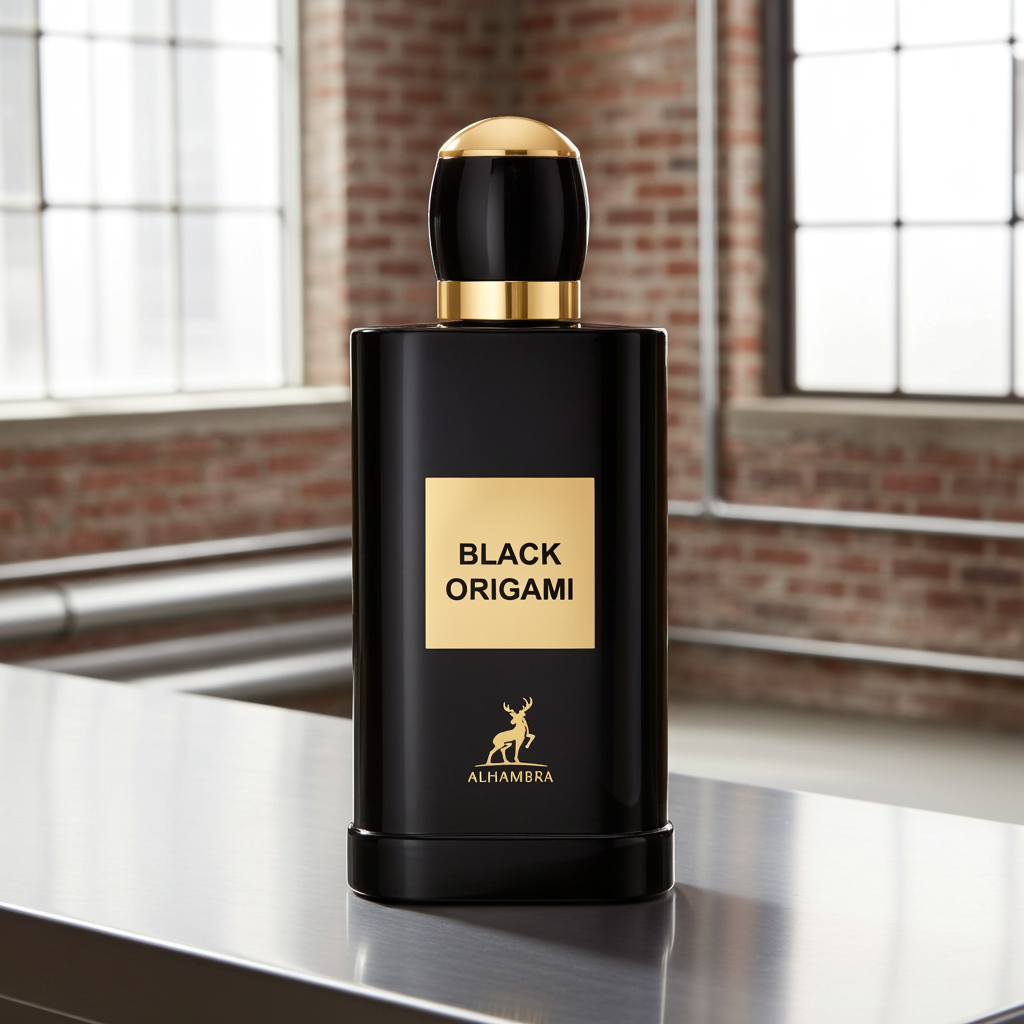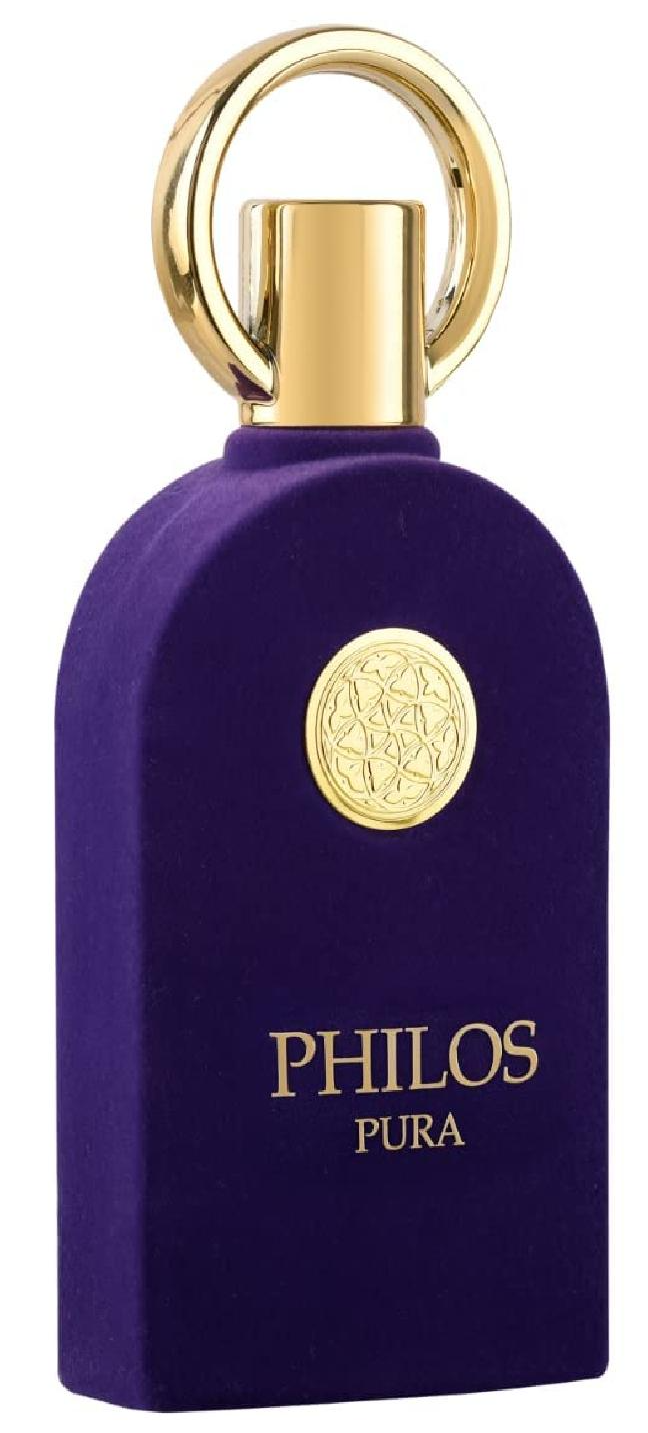
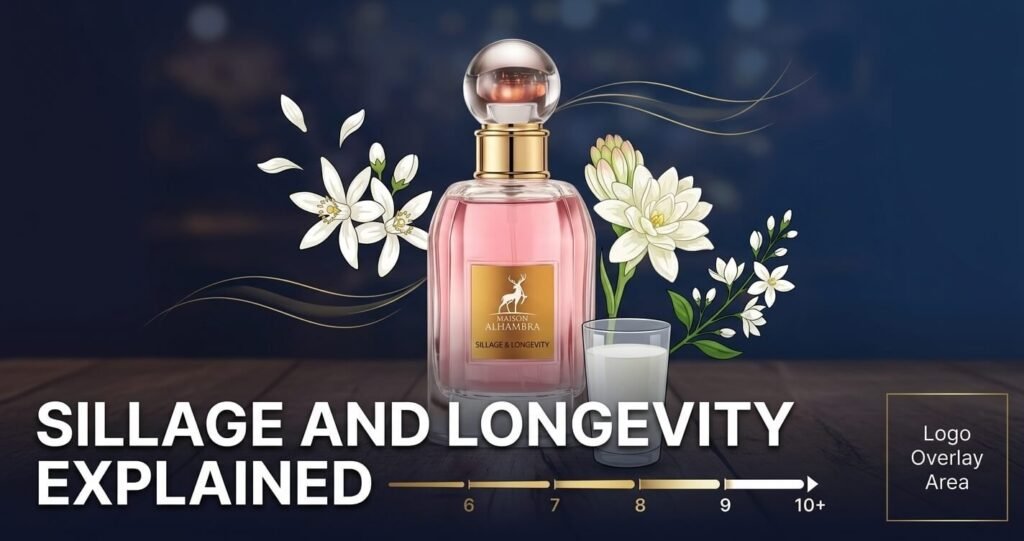
Projection is the scent’s reach around you, sillage is the trail it leaves as you move, and longevity is how long it remains detectable. A perfume can last for hours close to the skin without leaving a strong trail.
Measure the question you actually care about
If you want something for a meeting, strong projection may be a disadvantage. If you want to smell a fragrance yourself later, skin-level longevity may be enough. A single ‘performance’ score hides these different goals. Ask reviewers whether their wear time means a detectable skin scent or a room-filling effect.
Use repeatable observations
Apply the same modest dose in comparable conditions on separate days. Record whether you detect the perfume close to the skin and whether a willing person nearby notices it without leaning in. Never turn that informal check into a universal distance claim. Temperature, clothing and the setting change the comparison.
A practical data sheet
Check shortly after application, after 2 hours and after 6 hours if practical. These are suggested checkpoints, not promised wear times. Record the last point at which you checked rather than reporting a precise endpoint you did not observe. If you lose track of your own scent, ask for feedback before adding more.
Why you stop smelling your own perfume
Your nose adapts to a steady scent, a process called olfactory fatigue. This is why a fragrance you wear every day can seem to vanish to you while a colleague still notices it. It is also why adding more sprays because you cannot smell it can backfire. Step away into fresh air for a few minutes, or ask someone nearby, before deciding that the perfume has faded.
Concentration is a label, not a guarantee
Eau de toilette, eau de parfum and parfum describe typical concentration bands, with parfum generally the most concentrated. A higher concentration can make a scent feel fuller, but it does not guarantee a bigger trail or a longer wear, because the materials in the formula matter as much as the percentage. Judge each fragrance by how it performs on you.
Skin, clothing and climate
Dry skin tends to hold scent less well than moisturised skin, and heat can make a scent feel stronger for a shorter time. Fabric can hold a fragrance for hours, but check the product guidance because some perfumes can stain light clothing. For habits that help a scent stay put, see how to make perfume last.
Comparison at a glance
| Measure | What to record | What it does not prove |
|---|---|---|
| Projection | Noticeable nearby at the time checked | How long it will last |
| Sillage | Noticeable trail during movement | A fixed metre range |
| Longevity | Last observed detectability | A guaranteed result for every wearer |
Maison Alhambra products to compare
These editorial suggestions use the scent directions in our catalog. Choose a sample where available and compare the finished perfumes yourself; no measured wear-time ranking is implied.
| Product | Catalog bottle size | Why compare it |
|---|---|---|
| Porto Neroli | 80 ml | A fresh profile to include in a personal comparison. |
| The Tux | 90 ml | A contrasting warmer profile; test it under the same conditions. |
Questions readers ask
Why does my perfume seem to disappear?
It may have faded or become less noticeable to you through familiarity. One person’s perception is not enough to distinguish the two.
Will more sprays always last longer?
No. More perfume may mainly increase the initial intensity and discomfort for others. Test a modest dose first.
Read next: How to Test Perfume at Home: The Right Way · Perfume Mistakes That Kill Longevity (And How to Fix Them) · How to Make Your All Day: 7 Proven Tricks (With Examples)
Catalog details checked 11 October 2026. Prices, packaging and availability can change. Some product links lead to Amazon; purchases may earn us a commission. Affiliate disclosure.